Fundatia ADEPT Transilvania Str. Principala, 166, Saschiz, Mure, 547510, Romania
HOME / PROJECTS
Project Leader

Liliana Gherghiceanu
Project Manager
The AgriSpin project aimed at examining the practice of innovation today by answering questions such as: How does the European farmer seek information and support? What competencies does he expect of his adviser? What kind of support system is in place today? By doing so, AgriSpin intends to uncover best cases for innovation and identify the type of innovation support system that makes for the most optimal innovation process.
To ensure that the knowledge accumulated in the project is disseminated to as many stakeholders as possible, AgriSpin worked towards creating a powerful European network among advisers, researchers, organisational experts and innovation companies.
By establishing a strong innovation network between the partners of the AgriSpin project as well as reaching out to European agricultural networks, innovation networks, EU-funded innovation projects and to politicians, on a European, regional and national level, AgriSpin hopes to contribute to a strengthened innovation effort in European agriculture.
The scientific team of AgriSpin has delivered the analytical framework on which the 13 Cross Visits are based.
The conceptual framework aims to facilitate the exchange of existing knowledge on innovative approaches in agriculture, agricultural supply chains and rural areas.
By summarizing and drawing conclusions from the reviewed literature, the scientific team of AgriSpin proposes operational definitions and an understanding of terms and concepts relevant for the AgriSPIN project.
The research teams’ reflections on what constitutes crucial words, concepts and topics for AgriSpin are organized into three sections. They highlight:
Please download the report to check out the conceptual framework of AgriSpin.
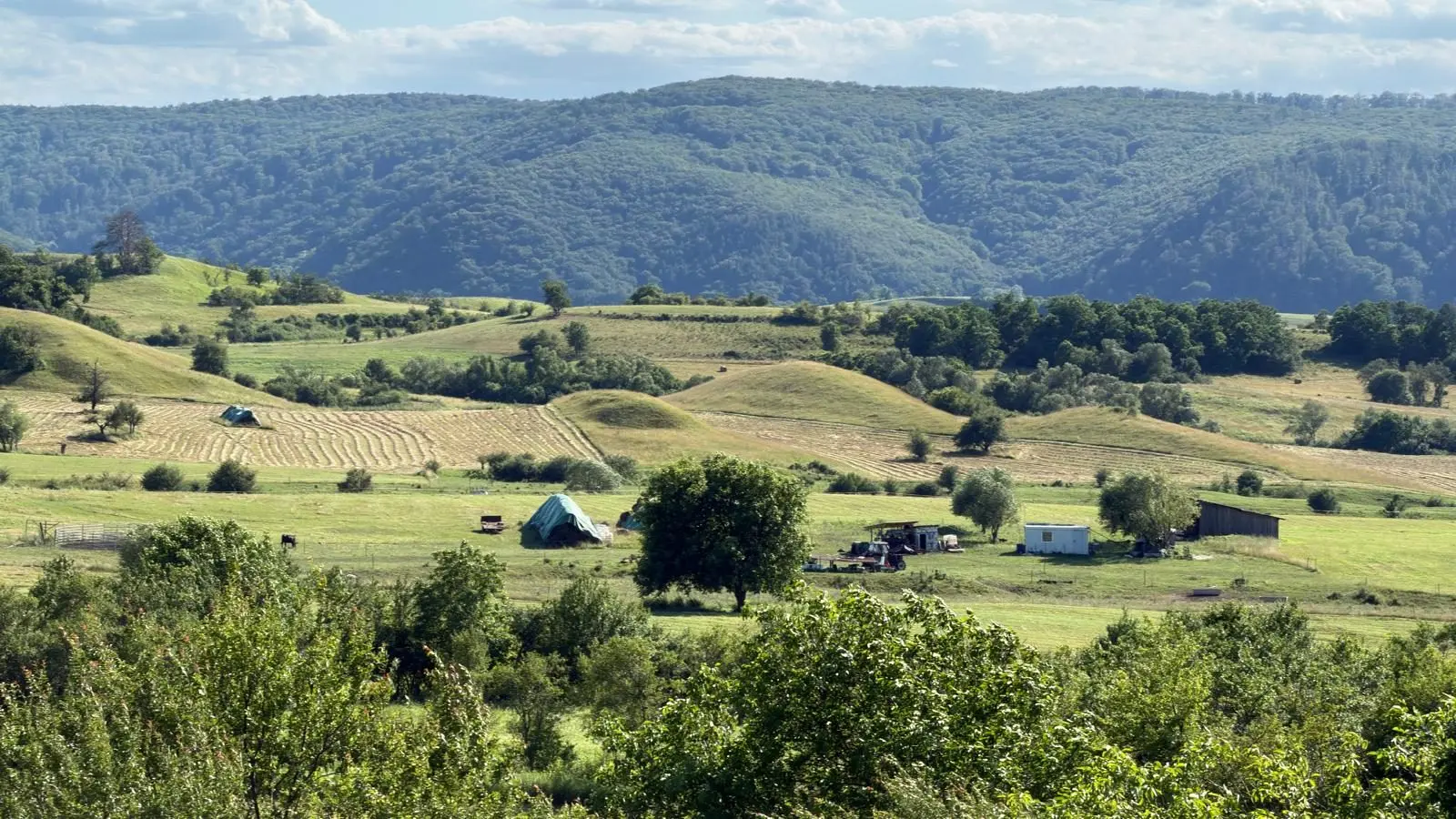
ADEPT is seeking further funding to protect the High Nature Value Farmed Landscapes of Transylvania, working with and supporting the small-scale farming communities that created them over the centuries.
They are under threat because of lack of social incentives and poor agricultural management.
Help us continue our work!