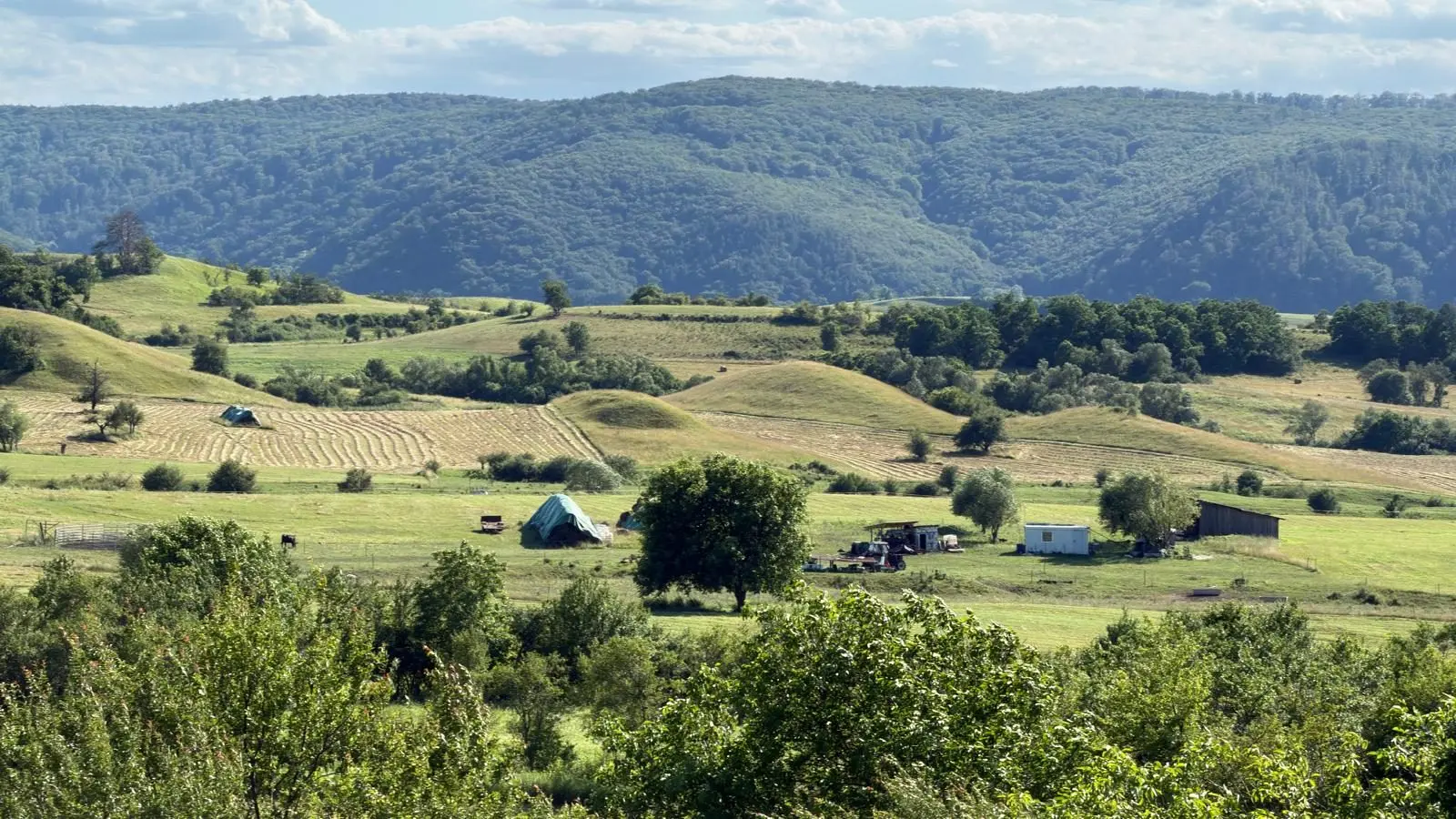
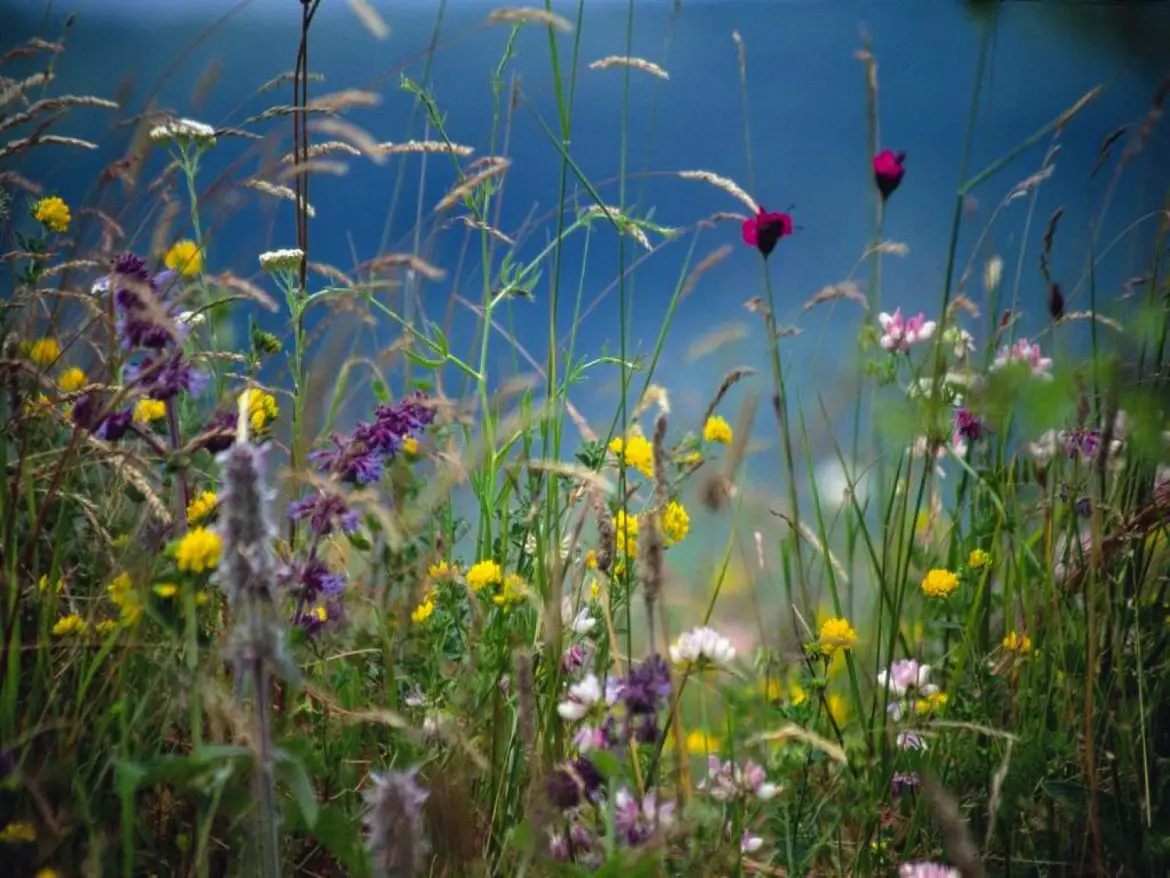
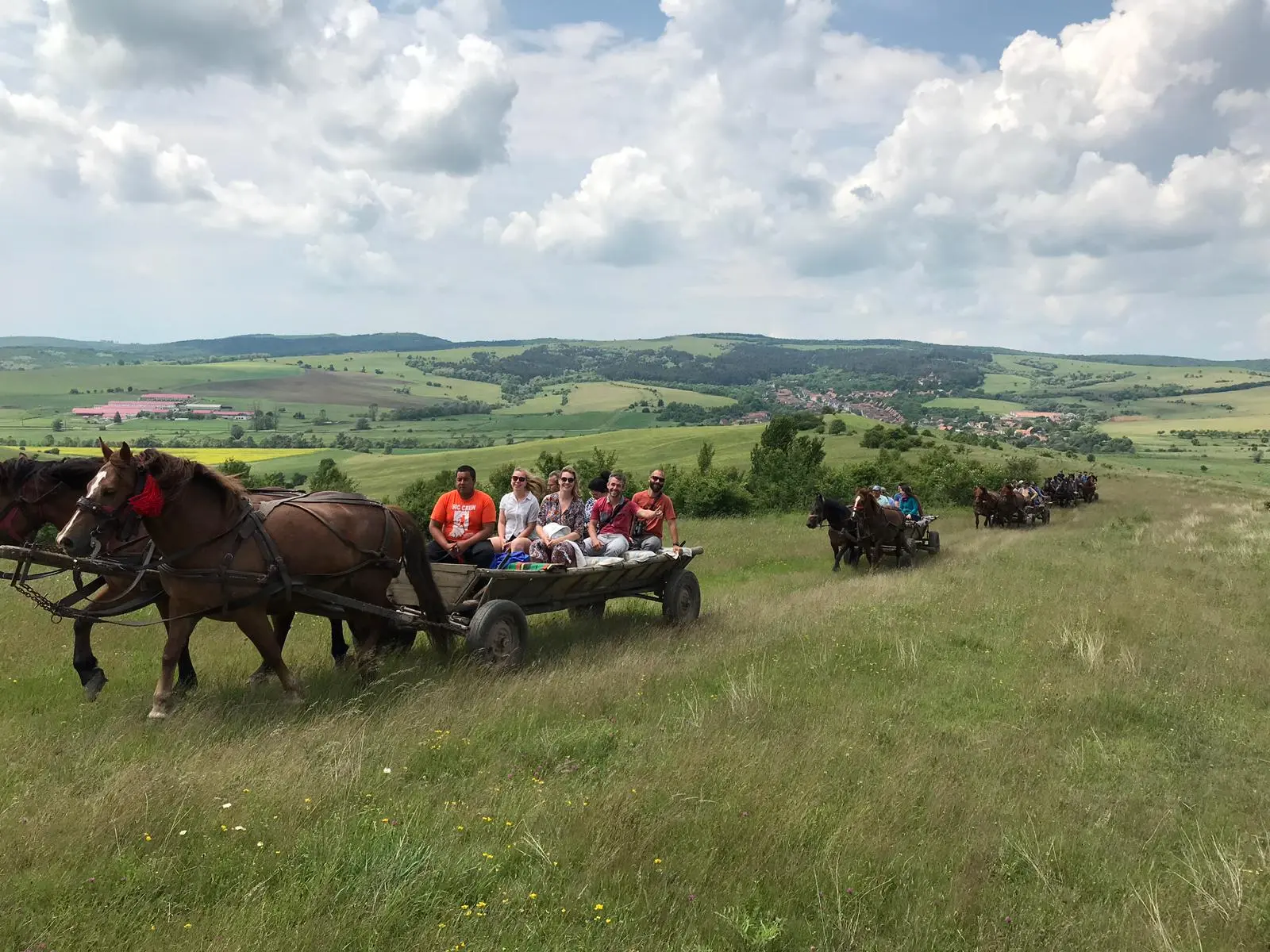
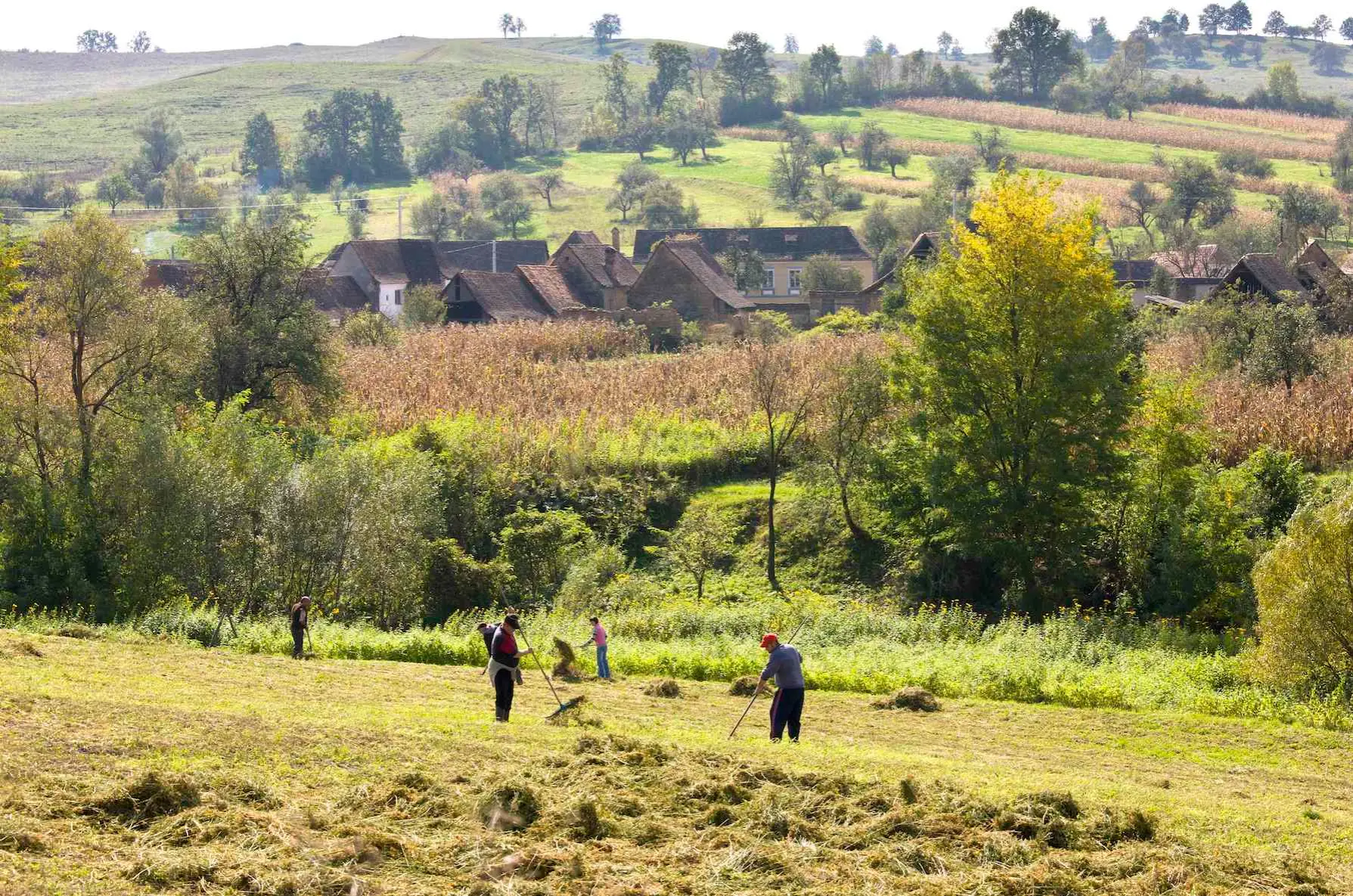
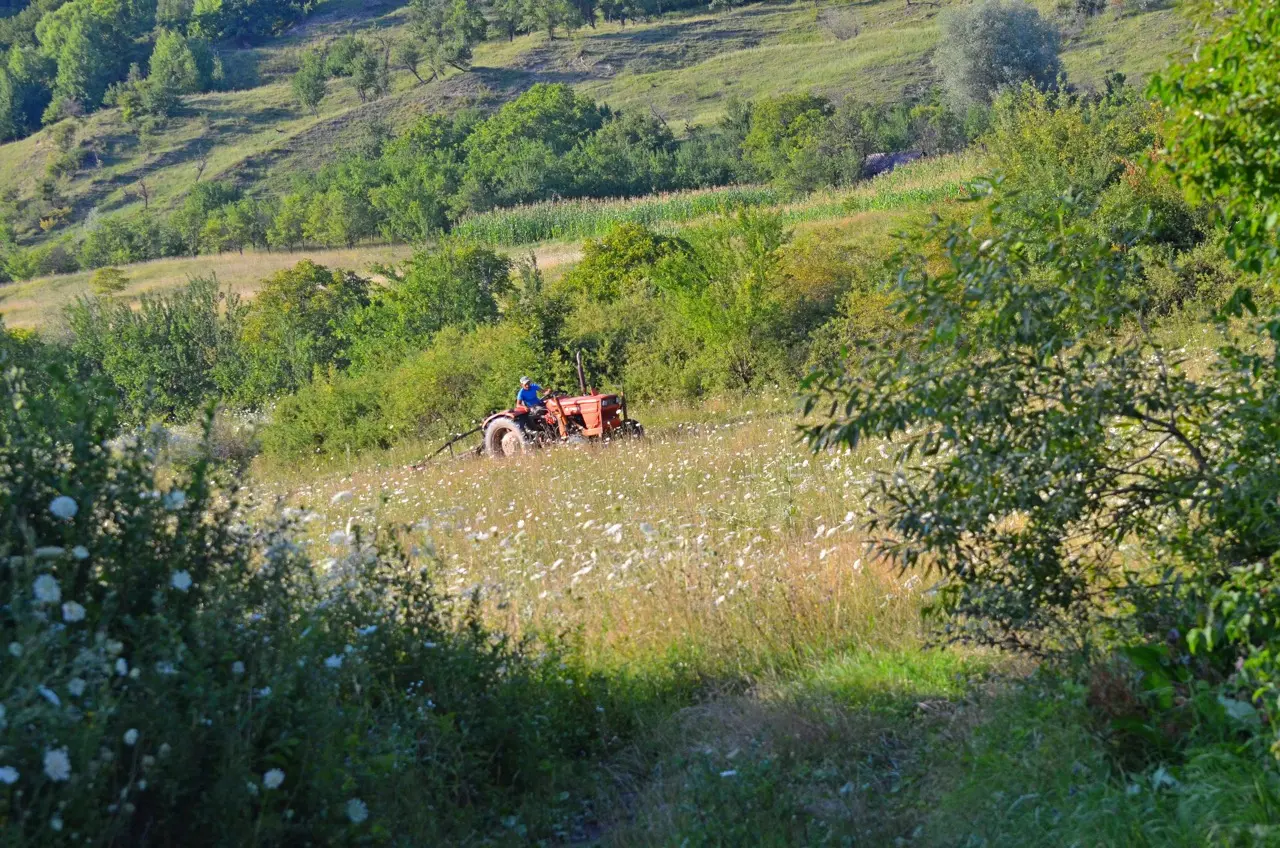
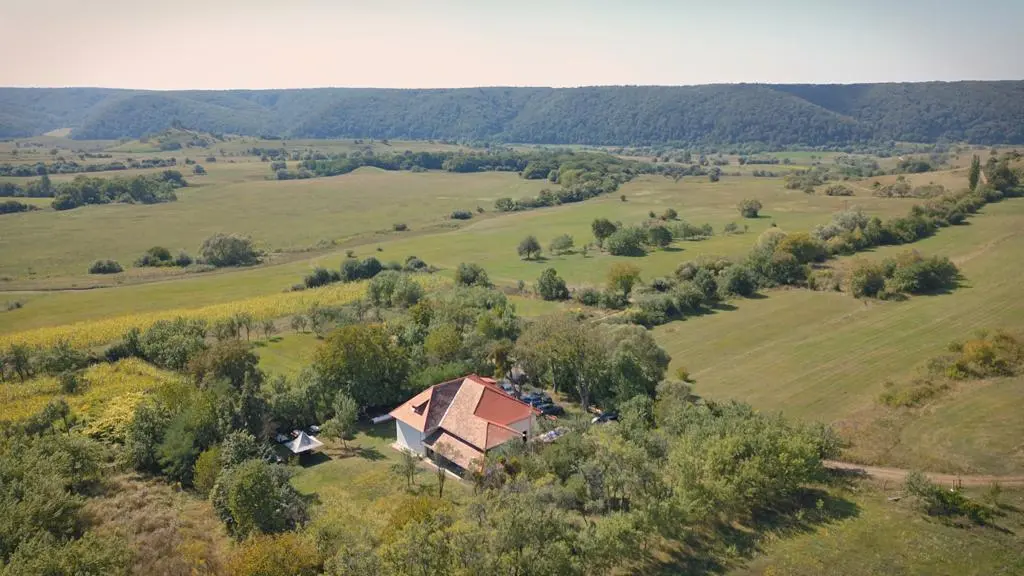
The project “Angofa: Nature and Community” aims to improve the conservation status of the Angofa Valley, a High Nature Value (HNV) agricultural landscape within the Natura 2000 site ROSCI0227 Sighișoara–Târnava Mare, by restoring wetland and grassland habitats and strengthening local community involvement through practical and participatory approaches. Building on previous interventions through the LIFE TransilvaCOOPERATION project, the initiative addresses ongoing challenges such as biodiversity loss, habitat fragmentation, uncoordinated grazing and low participation of farmers in conservation measures. The project integrates ecological restoration, citizen science, environmental education, and participatory planning, linking nature conservation with local socio-economic benefits.
Project Budget 245.000 RON
Funded by OMV Petrom Foundation, „Azi. Împreună.” Ist edition – 2025
Project Duration November 2025 - October 2026 (12 months)
To enhance the ecological condition and long-term conservation of wetland and grassland habitats in the Angofa Valley, while building local capacity and engagement for biodiversity-friendly land management.
OBJECTIVES
Restore and manage 10 hectares of wetland and grassland habitats
Improve habitat quality for at least three emblematic species protected under the EU Habitats Directive.
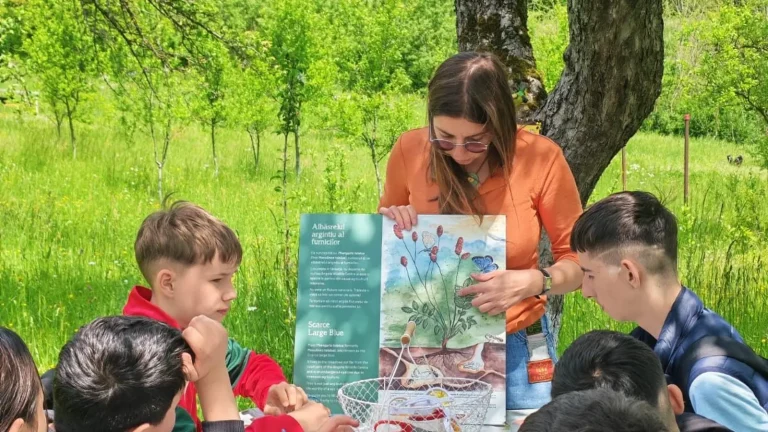
Engage over 150 participants (farmers, students, teachers, volunteers) in restoration, education, and monitoring activities.
Develop and validate a participatory Local Management Plan integrating conservation and local socio-economic needs.
OVERALL OBJECTIVE
To create a replicable model of participatory conservation that combines biodiversity protection, education, and sustainable rural development.
EXPECTED OUTCOMES
10 ha of restored and protected habitat;
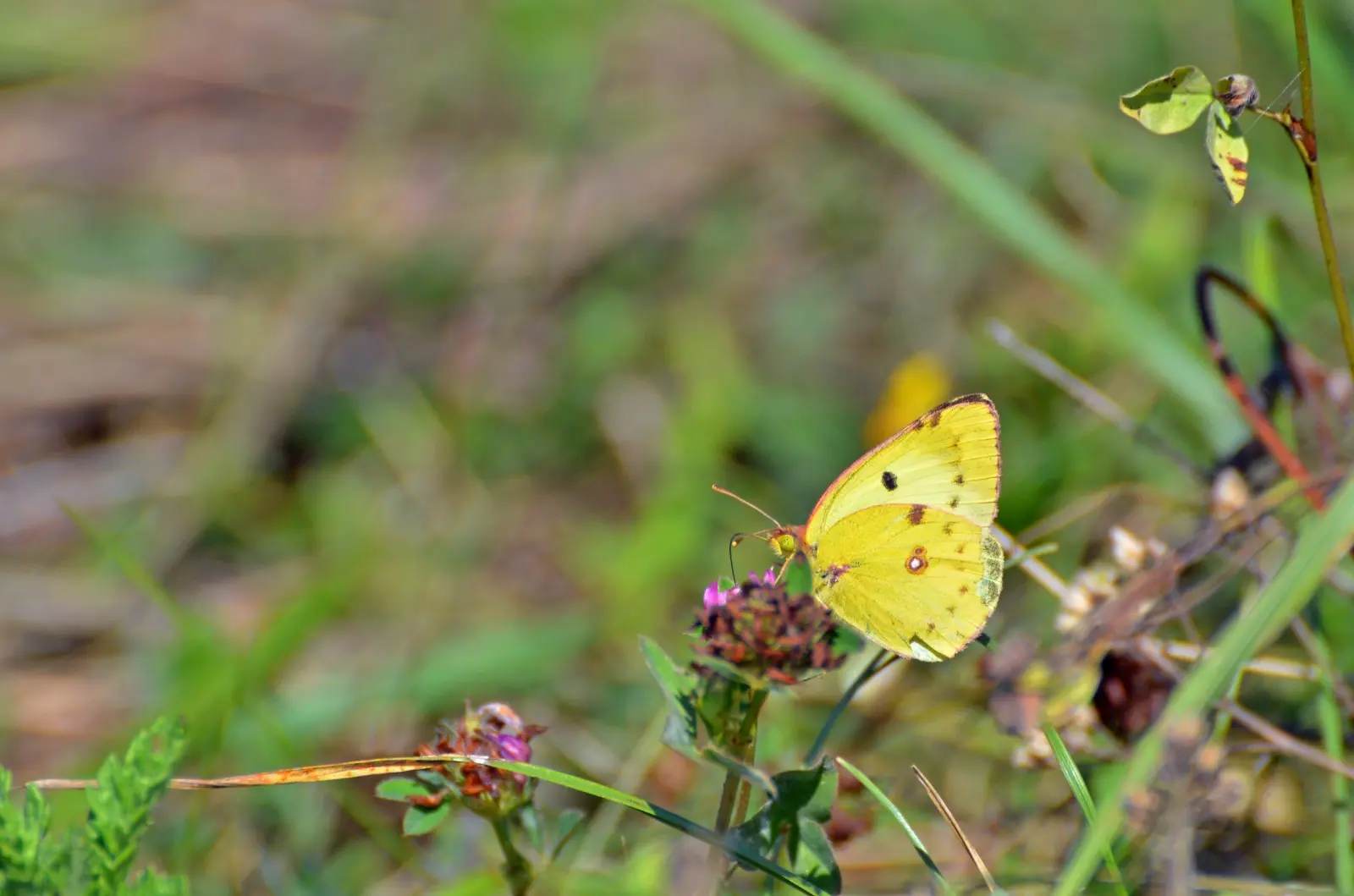
Improved ecological conditions for at least 3 protected species (Phengaris teleius, Emys orbicularis, Triturus cristatus, etc.);
Active participation of over 150 people in education, volunteering, and citizen science.
1 updated and validated Local Management Plan.
2 information panels and 1 educational guide developed and used locally.
Increased awareness and community ownership of biodiversity protection.
EXPECTED RESULTS
Short-term (12 months):
10 ha restored; presence of 3 protected species confirmed.
150+ people engaged in restoration and education.
Functional citizen-science monitoring network.
Participatory management plan validated by the community.
Medium-term (1–3 years):
Stabilized populations of target species and continuous community monitoring.
Broader replication of educational and monitoring tools in nearby villages.
Long-term (>3 years):
Sustained biodiversity conservation integrated into local development.
Active community of local actors involved in nature stewardship and education.
0 project updates. Latest updates are displayed first.
Come back later for updates on this project!
GET INVOLVED
Donate or support us to help protect
Transylvania's nature, landscapes and communities,
that are under threat
ADEPT is seeking further funding to protect the High Nature Value Farmed Landscapes of Transylvania, working with and supporting the small-scale farming communities that created them over the centuries.
They are under threat because of lack of social incentives and poor agricultural management.
A project dedicated to increasing civic participation and strengthening community engagement in rural areas by developing the skills of young people and local stakeholders, creating participation mechanisms, and fostering dialogue...
A river restoration preparation project to identify, map and prioritise artificial barriers across the Târnava Mare River Basin, covering the main river and its tributaries. The project will create the...
A pioneering biodiversity credit initiative in Transylvania’s Târnava Mare region, designed to support small-scale farmers through funding for environmentally friendly land management. By generating and selling biodiversity credits to companies...
A European H2020 project, based on a multi-actor approach, aimed at increasing knowledge sharing and mutual understanding between EU stakeholders, creating and expanding an innovative network about digital innovations and...
A European H2020 project, focused on the creation and strengthening of a thematic agricultural network at the European level, aimed at supporting biodiversity-friendly farming (Biodiversity-Friendly Farming - BFF). The main...