Fundatia ADEPT Transilvania Str. Principala, 166, Saschiz, Mure , 547510, Romania
HOME / PROJECTS
Project Leader

Laura Chirilă-Pașca
Marketing & Enterprise Manager Fundatia ADEPT Transilvania
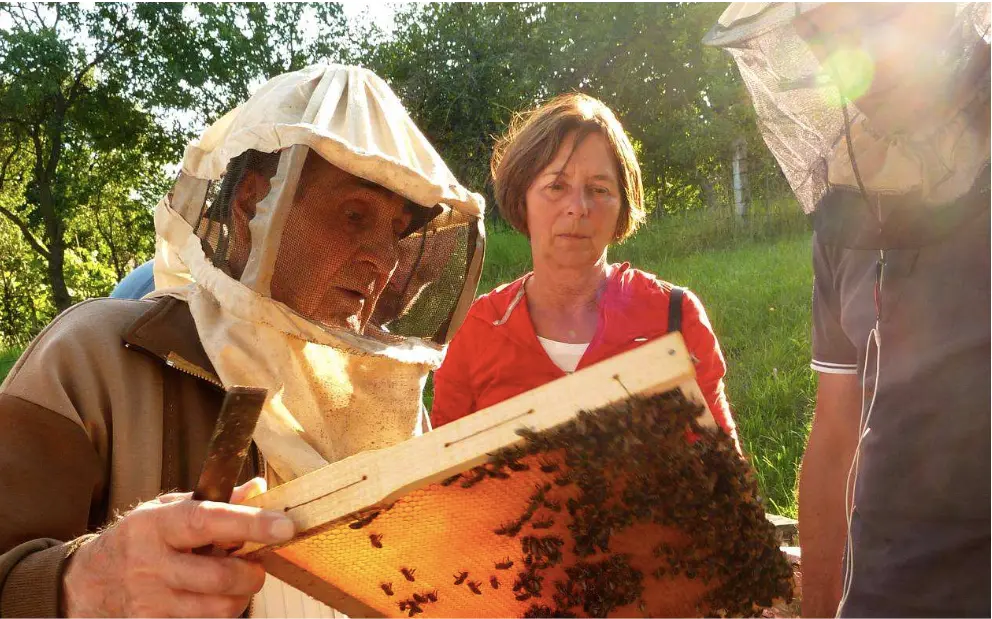
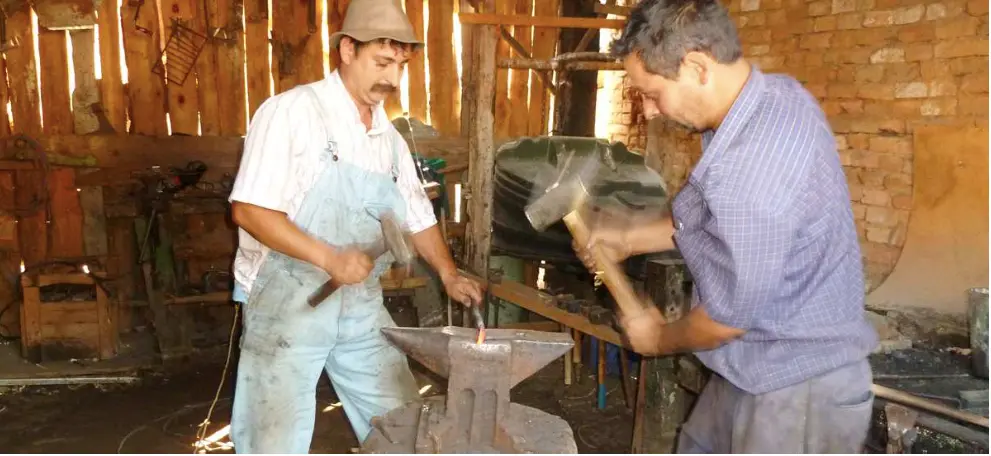
ADEPT Transilvania Foundation aims to implement an integrated project to establish and develop a functional associative form of farmers and small producers and/or local processors, including those who besides primary production or processing, are involved in tourism activities.
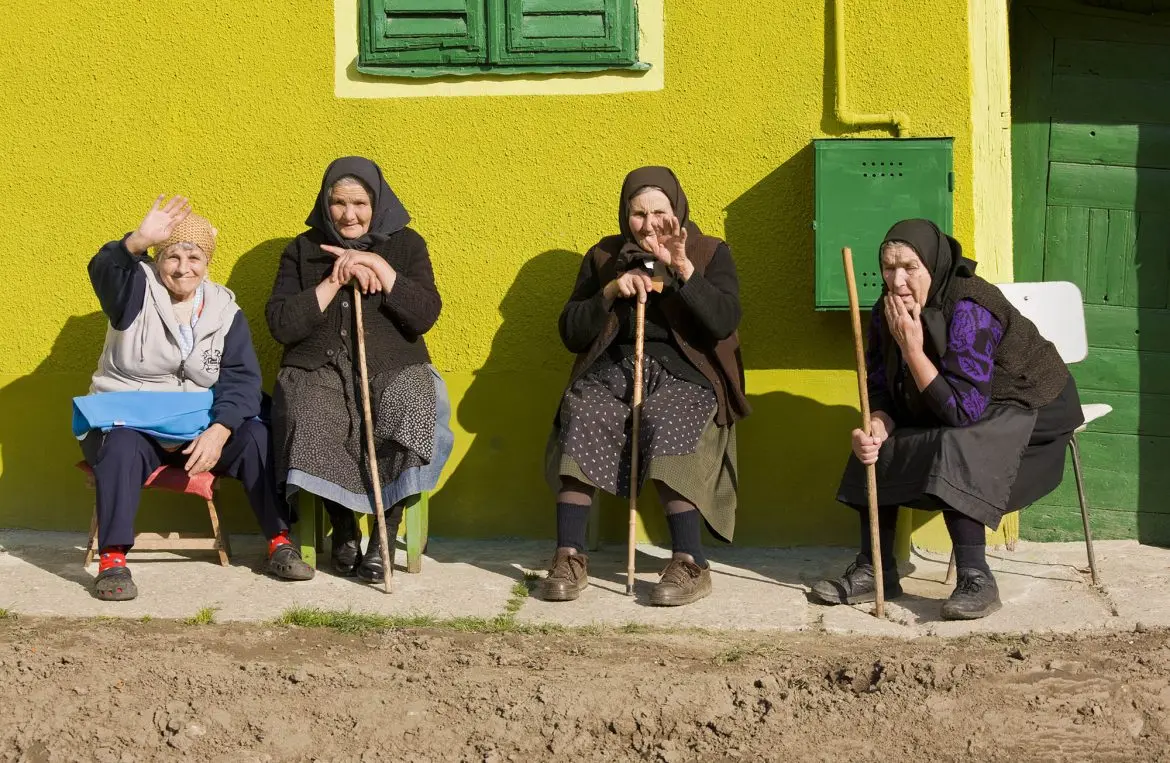
The need for such a project became obvious as the results of the diagnostic analysis and other studies undertaken in the Târnava Mare area indicated that the priority development areas are agriculture, tourism and forestry. This conclusion was reinforced by the fact that many local farmers of the targeted area are part of associative forms but have no direct involvement in its functioning, do not produce or market their products through it. They become members of such associative forms mearely to have access to the direct surface payments or to get extra points in various projects financed through The National Rural Development Plan. No other associative forms were established or are not functional as the regulations are not clear to those interested.
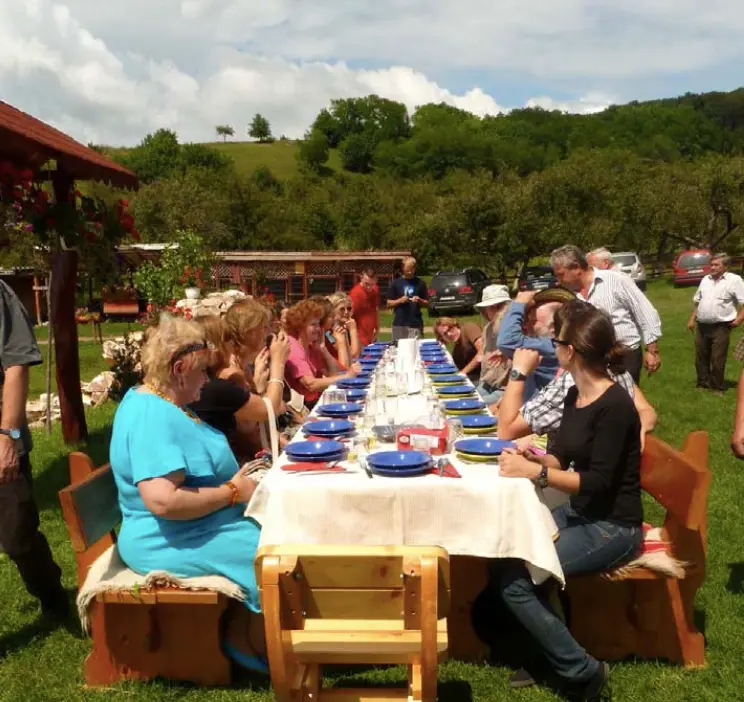
Another aspect encountered in the Dealurile Târnavelor LAG area, but also on a wider scale, on a national level, is the mutual distrust of farmers, local producers or tourism agents. These aspects are consequences of the communism and the slow transition period that followed, so people are reluctant to undertaking group activities, projects or joint actions. The power of example is the only solution that can generate ideas and empower people. Therefore, with the support, involvement and expertise of some outside specialists, together with good practices exchange visits, the project will increase the cooperation and association chances between local actors. By promoting the cooperation at the local level, the development of networks and various associative forms, we will have a direct impact on the local economy on a long term.
Given the globalisation phenomena, where compatition is extremly high, there is a need to support the establishment and functioning of associative structures as marketing of common products and negotiation of better prices for producers is a desiderate, including access the EU and Romanian quality schemes and creation of a common brand for agricultural and food products, which, once established, can consolidate the market position of small, local producers and farmers through associative forms. The hereby project creates this opportunity through: establishment and support of an associative form by designing a Business Plan, Marketing studies and offering support for those willing to grow.
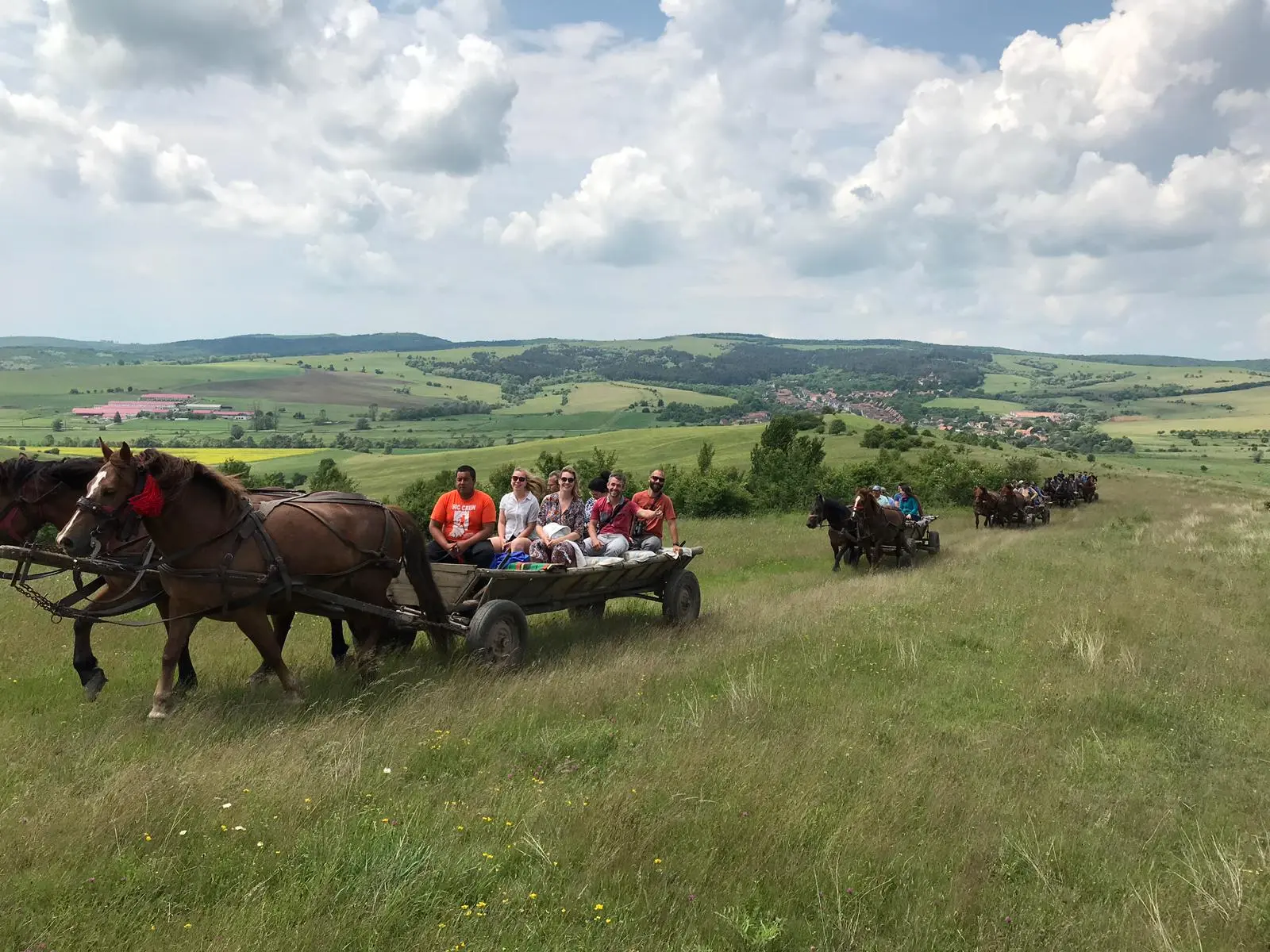
Concerning the tourism in the Dealurile Tarnavelor LAG teritorry, its quality is directly dependent by the manner in which the local resources are capitalised. Thus, all the prioritary local development areas identified in the project area are proven to be complementary and can support each other. Therefore, the collaborative approach between the small operators of each of the three areas (agriculture, forestry, tourism) is vital for the development of each individual sector and for the economic development of the area as a whole. The project, through the associative form to be created, will generate new networks that will develop and promote the activities that bring value to the agro part of the rural guesthouses or new activities that add value in a sustainable manner to the biodiversity of the area.
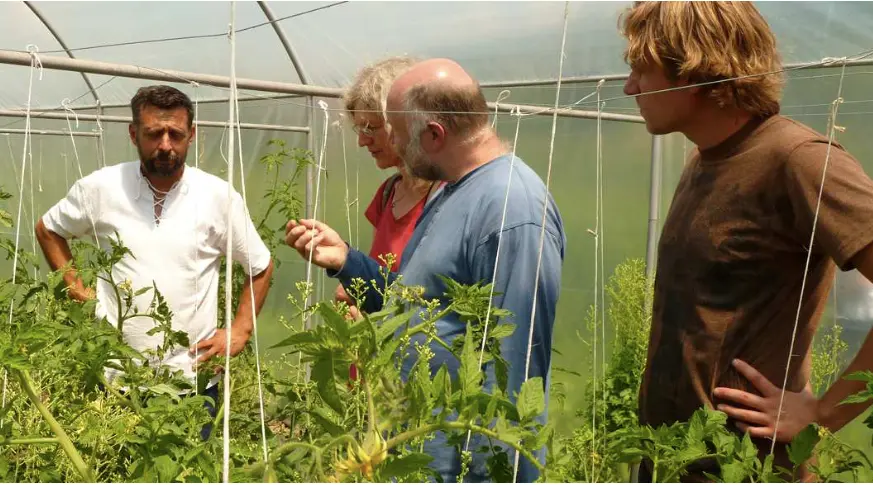
The local producers need advisory services that lead to an increased quality of the whole production, processing, selling and marketing of local products, development of cooperation and innovation, farm development, adaptivity to the market standards and demands, market orientation, creation of associative forms, promoting of entrepreneurship and diversification of the farm activities and innovation.
Project financed though European Union and Romanina Government though Rural Development National Programme,
Implemented by Fundatia ADEPT Trasilvania.
The content of this material does not necessarily represent the official position of the European Union or the Government of Romania. The entire responsibility for the correctness and consistency of the information provided here belongs to Fundația ADEPT Transilvania.

Ben Mehedin
Laura Chirilă-Pașca
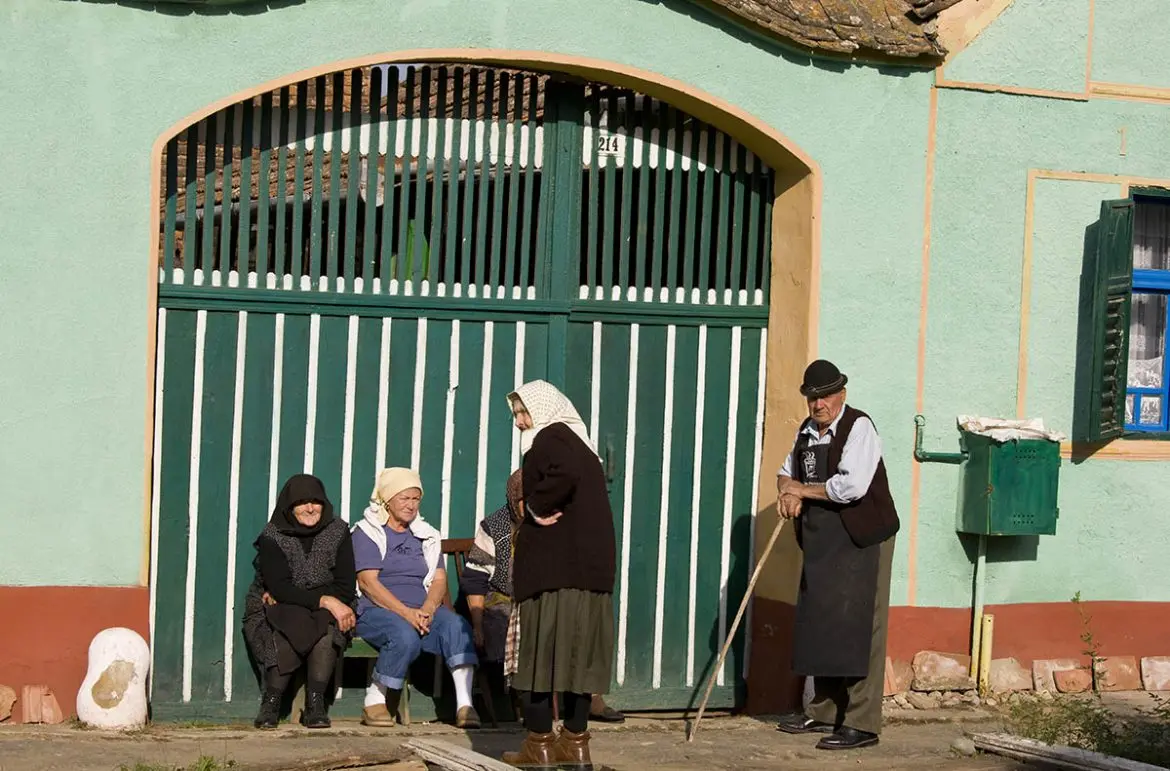
We have informally set up discussions with small farmers, local producers and local tour operators, explaining about the objectives of this project and got their feedback, which was both positive and encouraging.
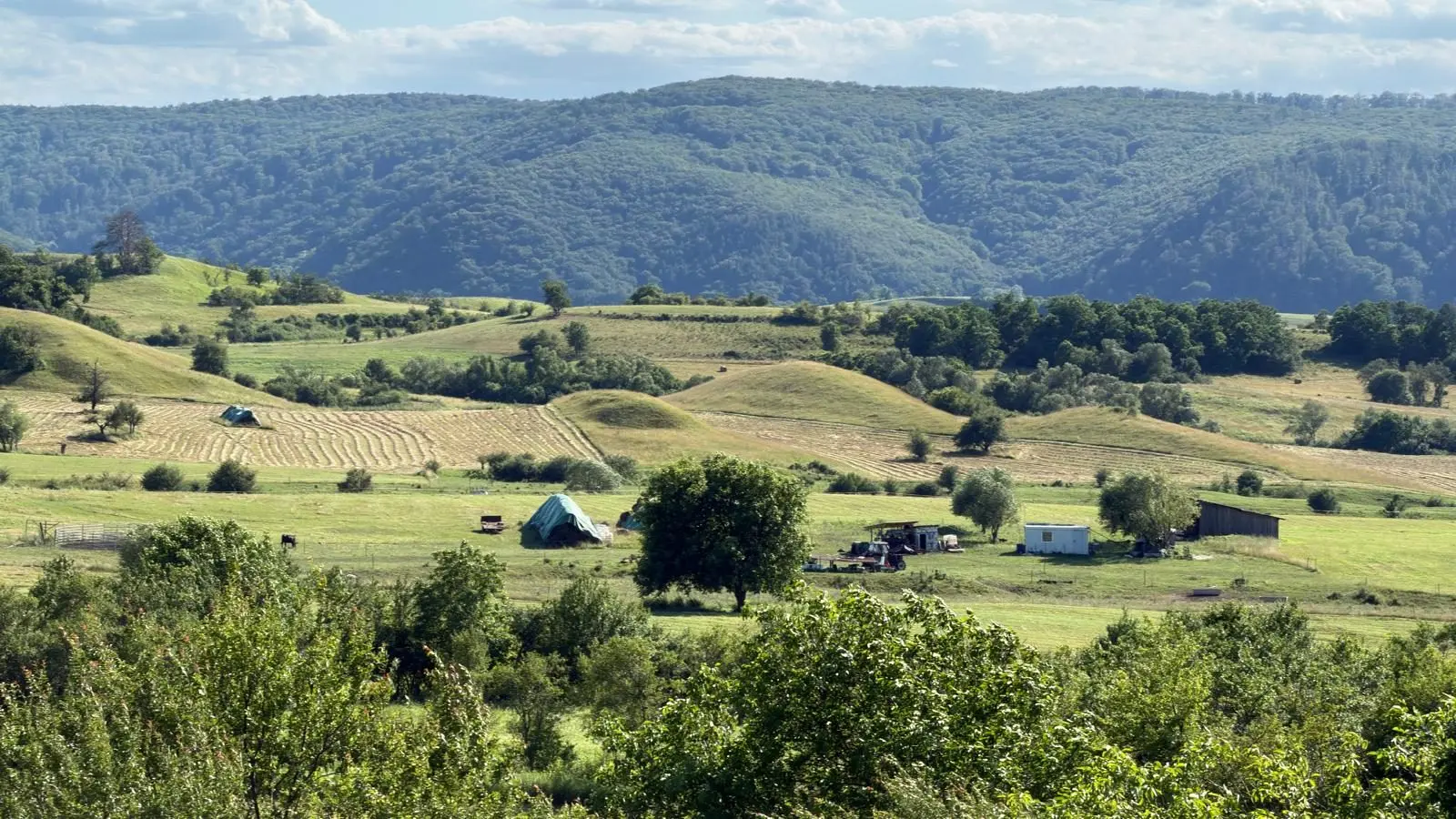
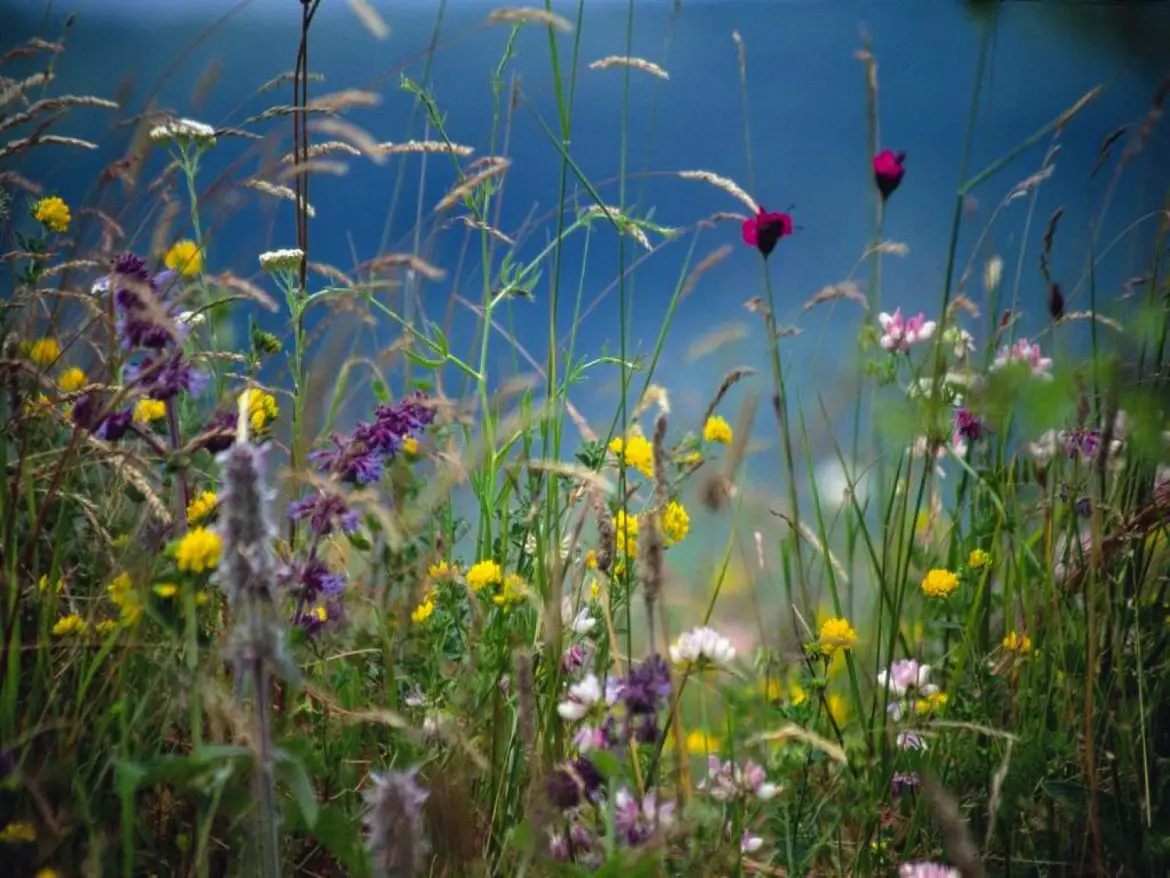
ADEPT is seeking further funding to protect the High Nature Value Farmed Landscapes of Transylvania, working with and supporting the small-scale farming communities that created them over the centuries.
They are under threat because of lack of social incentives and poor agricultural management.
Help us continue our work!