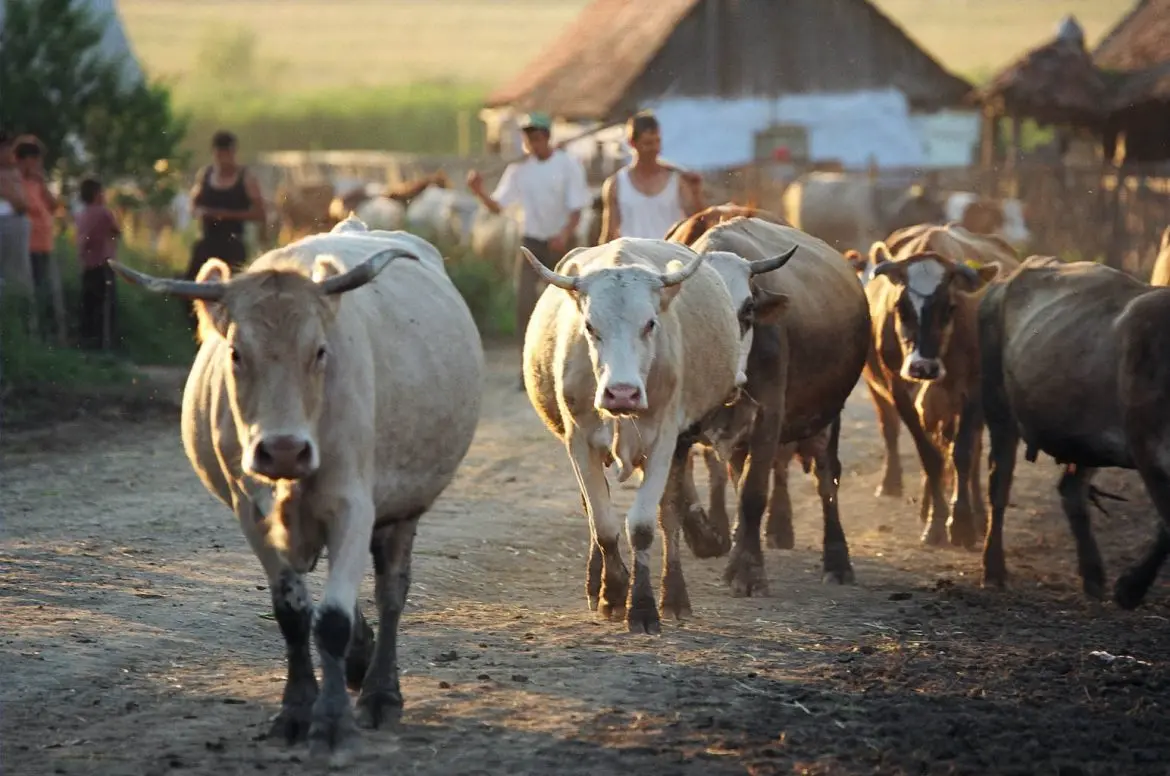
Develop a sustainable model to address the negative effects of the crisis on the milk market by building end equipping eight milk collection centres in Tarnava Mare area and improving on milk quality by offering specific trainings to the local farmers.
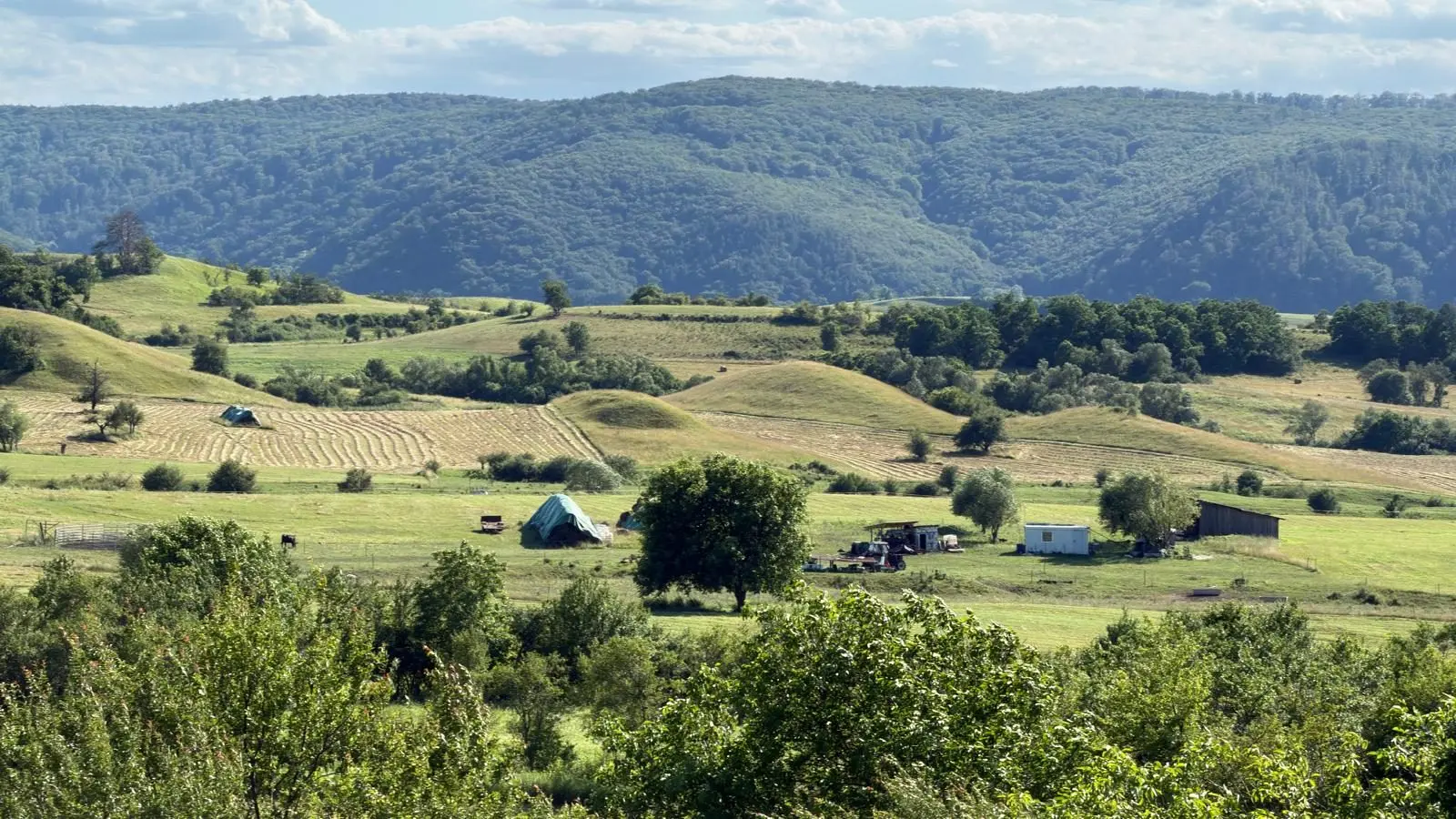
Conservation of the biodiversity of this man-made landscape is only possible by maintaining the farming activity economic viability.
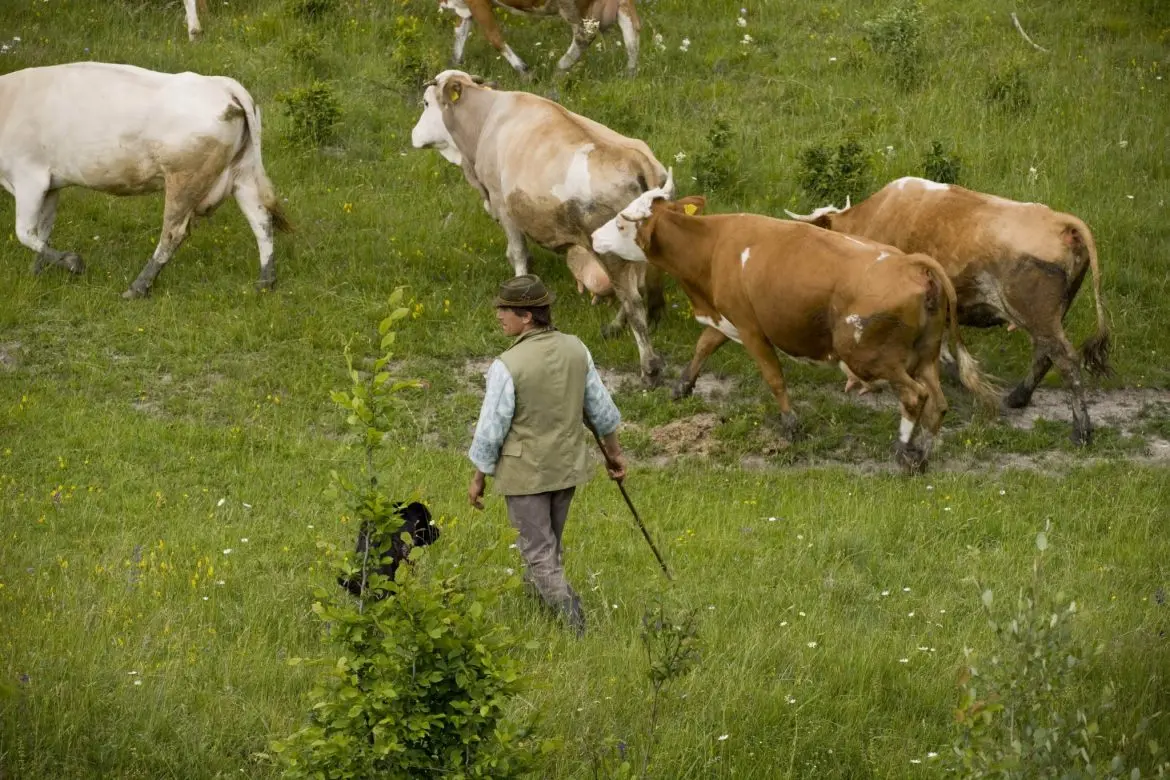
The agricultural economy can have profound effects on HNV landscape conservation. For example, many small and medium size dairy farmers are selling their livestock because milk processing companies no longer collect milk from their villages. This is critically damaging small-scale HNV farmer livelihoods, and also the landscape since livestock are essential for maintenance of pastures and hay-meadows.
1 project updates. Latest updates are displayed first.
Milk collection point
8 milk collection centres build up to EU standard in free-rent premises and equipped with relevant equipment (including milk testing equipment) in eight villages in Târnava Mare area: Laslea, Biertan, Apold, Danes, Albesti, Vanatori, Saschiz, Viscri.
The milk collection point provides shared quality control and cooling /collection facilities for local communities. By improved quality (training) and quantity (larger bulk tanks, more farmers participating) and direct negotiation with milk processor companies the local community felt the real outcomes of the project. ADEPT has offered training on how to use/maintain the machinery. By negotiating with milk processors and farmer associations being responsible, the milk price went up 20-30%. The result halt in falling cow numbers in the villages concerned. Hundreds of hectaresof abandoned hay meadows have been brought back under good management.
certification and producer group organisation application files prepared in the benefit of at least 100 farmers
2 Farmers’ Markets established
The collapse of the milk market for small producers threatens the existence of farmers' communities, which by traditional management maintain the High Nature Value landscapes and cultural values in Romania.
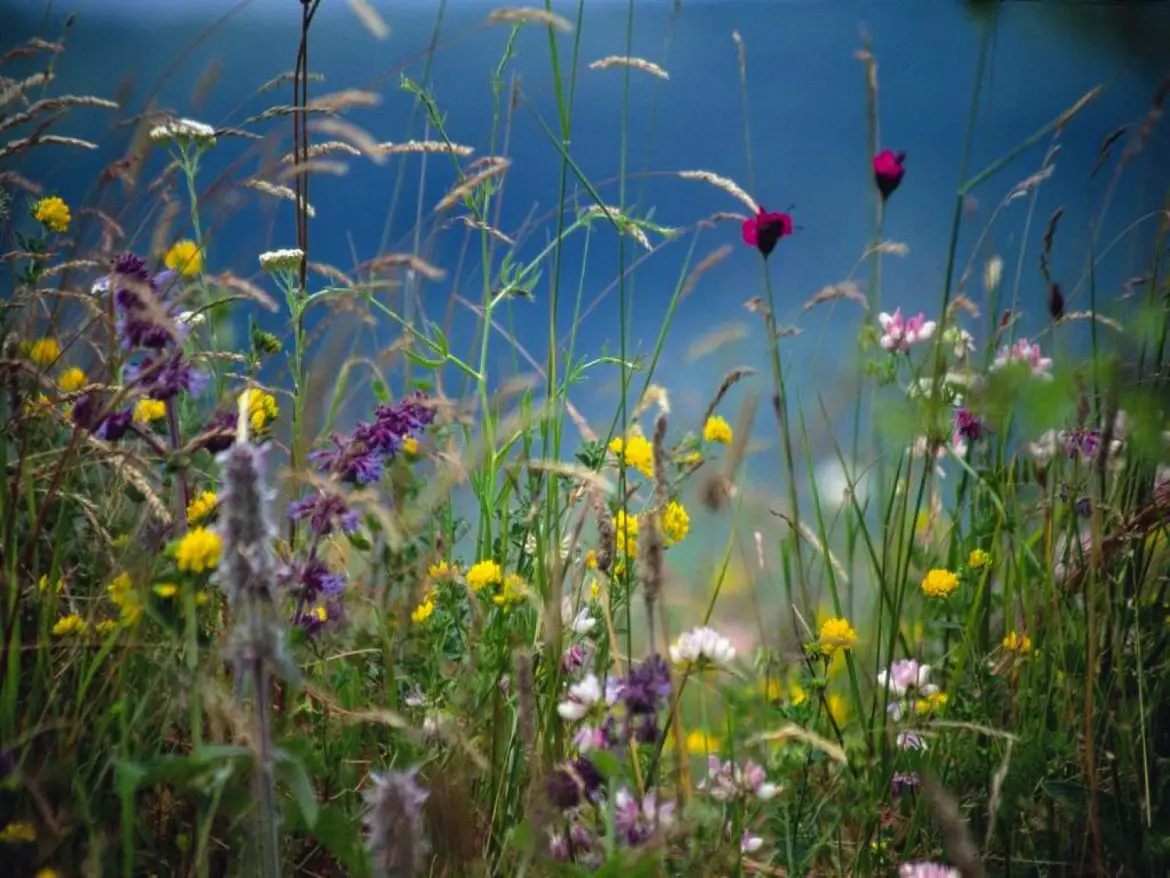
There is a direct link between agricultural activities for milk production and biodiversity conservation. If farmers give up traditional grassland management; (mowing and grazing), these meadows will be drastically affected. These meadows are protected and are of major importance at European level. Farmers who have created them for hundreds of years are the only ones who will be able to maintain their ecological quality in the future.
ADEPT supports milk producers in the Târnava Mare area to obtain a better price on the milk produced by improving quality.
One of the main drivers for this initiative was the need to increase milk prices to stop the fall of cow numbers in the area.Each cow lost = 1 ha of high biodiversity grassland abandoned/converted to sheep grazing. Precious High Nature Value meadows are being abandoned because fewer people available to scythe by hand, and fields are too inaccessible/too sloping for tractor use. In some area 30% of hay meadows are abandoned. ADEPT thought on how to bring these meadows back into use, with benefits to local economy and to biodiversity.
GET INVOLVED
Donate or support us to help protect
Transylvania's nature, landscapes and communities,
that are under threat
ADEPT is seeking further funding to protect the High Nature Value Farmed Landscapes of Transylvania, working with and supporting the small-scale farming communities that created them over the centuries.
They are under threat because of lack of social incentives and poor agricultural management.
A project dedicated to increasing civic participation and strengthening community engagement in rural areas by developing the skills of young people and local stakeholders, creating participation mechanisms, and fostering dialogue...
A river restoration preparation project to identify, map and prioritise artificial barriers across the Târnava Mare River Basin, covering the main river and its tributaries. The project will create the...
The project “Angofa: Nature and Community” aims to improve the conservation status of the Angofa Valley, a High Nature Value (HNV) agricultural landscape within the Natura 2000 site ROSCI0227 Sighișoara–Târnava...
A pioneering biodiversity credit initiative in Transylvania’s Târnava Mare region, designed to support small-scale farmers through funding for environmentally friendly land management. By generating and selling biodiversity credits to companies...
A European H2020 project, based on a multi-actor approach, aimed at increasing knowledge sharing and mutual understanding between EU stakeholders, creating and expanding an innovative network about digital innovations and...