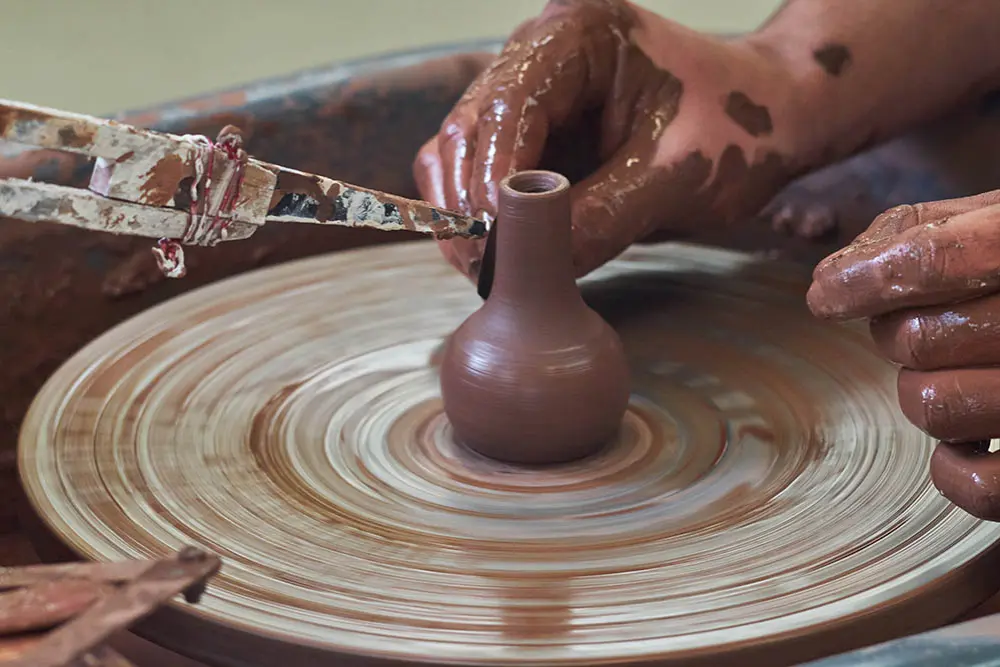
Training of young people from the Saxon Villages region of Transylvania in pottery skills in order to revive the old Saschiz pottery centre renowned for its blue ware since the 1700s.
The main objective of the project was reestablishing the old pottery centre in Saschiz renowned for its blue ware since the 1700s by training young people from the Saxon Villages region of Transylvania in pottery skills.
Our aim is to revive the manufacture of traditional local pottery, including further training for local young people and constructing a pottery workshop in the village of Saschiz.
1 project updates. Latest updates are displayed first.
In 2012 –2015 period, four young people were trained at Camelia Botnar Foundation’s centre at Cowfold, in the UK.
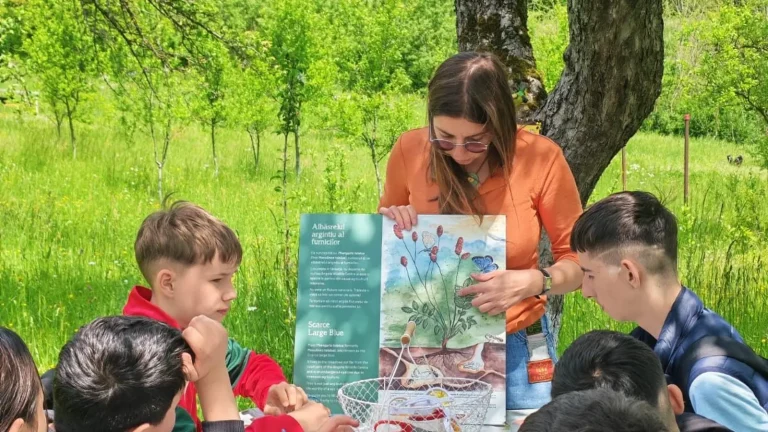
Saschiz Pottery Centre was established and opened in 2015with the support of Camelia Botnar Foundation and the Saschiz Municipality. The workshop’s aim is to revive the traditional crafts of the Târnava Mare area and to encourage tourism and education, providing tourists and schoolchildren with the opportunity to take part in pottery workshops.
The pottery is now productive, offers employment to two young local people, and helps to attract visitors to the area.
GET INVOLVED
Donate or support us to help protect
Transylvania's nature, landscapes and communities,
that are under threat
ADEPT is seeking further funding to protect the High Nature Value Farmed Landscapes of Transylvania, working with and supporting the small-scale farming communities that created them over the centuries.
They are under threat because of lack of social incentives and poor agricultural management.
A project dedicated to increasing civic participation and strengthening community engagement in rural areas by developing the skills of young people and local stakeholders, creating participation mechanisms, and fostering dialogue...
A river restoration preparation project to identify, map and prioritise artificial barriers across the Târnava Mare River Basin, covering the main river and its tributaries. The project will create the...
The project “Angofa: Nature and Community” aims to improve the conservation status of the Angofa Valley, a High Nature Value (HNV) agricultural landscape within the Natura 2000 site ROSCI0227 Sighișoara–Târnava...
A pioneering biodiversity credit initiative in Transylvania’s Târnava Mare region, designed to support small-scale farmers through funding for environmentally friendly land management. By generating and selling biodiversity credits to companies...
A European H2020 project, based on a multi-actor approach, aimed at increasing knowledge sharing and mutual understanding between EU stakeholders, creating and expanding an innovative network about digital innovations and...