Fundatia ADEPT Transilvania Str. Principala, 166, Saschiz, Mure , 547510, Romania
HOME / PROJECTS
Project Leader

Ben Mehedin
Food & Farming Communities Manager Fundatia ADEPT Transilvania
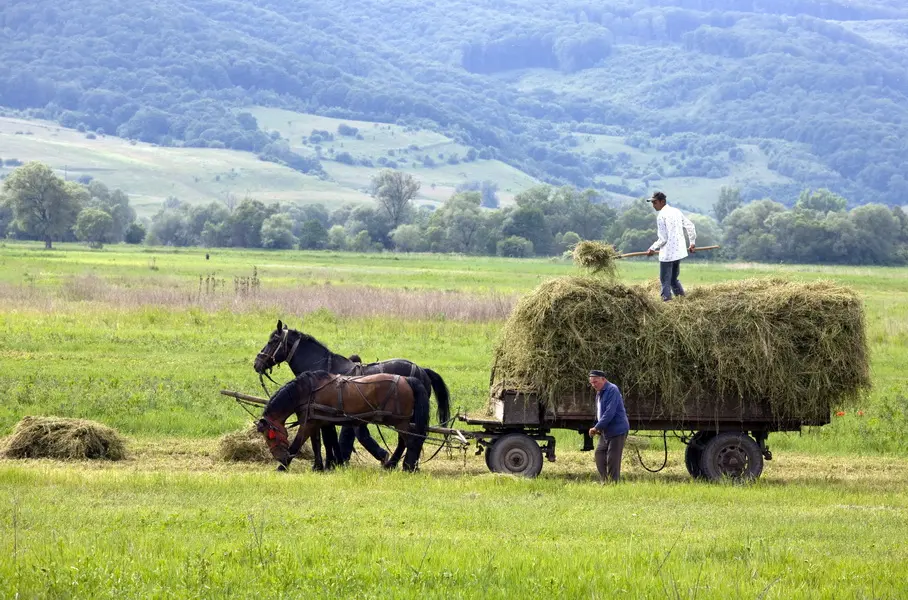
The general objective of FarmBioNet is to stimulate and promote the exchange of knowledge and the integration of research and practices related to biodiversity-friendly farming (BFF), ensuring that they are applicable and adapted to the needs of farmers and foresters across Europe.
Contribution to the EU’s Strategic Objectives – FarmBioNet contributes to several priority objectives of the European Union, including:
Benefits for Farmers and Communities
Strengthening National and European Networks – FarmBioNet will support the development of 12 national biodiversity networks, connecting farmers, researchers, authorities, and other relevant stakeholders. These networks will facilitate the exchange of knowledge, best practices, and solutions tailored to local needs.
A significant aspect of the project is the focus on agriculture in Natura 2000 areas. These areas depend on the continuity of biodiversity-friendly practices to maintain their characteristics. However, the designation of these areas has often raised concerns and resistance from farmers. The FarmBioNet project aims to provide positive examples of local collaborative solutions that can overcome these obstacles and facilitate the maintenance of socio-economically viable agricultural activities in these protected areas.
The FarmBioNet project results will contribute to the modernization of agriculture and the implementation of the European Green Deal and Farm to Fork objectives by disseminating knowledge, promoting innovation, and fostering digitalization.
Main Results of FarmBioNet:
FarmBioNet will persist in disseminating and communicating results for a minimum of 5 years beyond the project’s duration, aligning with the post-project sustainability plan.
Ben Mehedin
Kick off meeting planned for mid February 2025 in Dublin. More info to come.
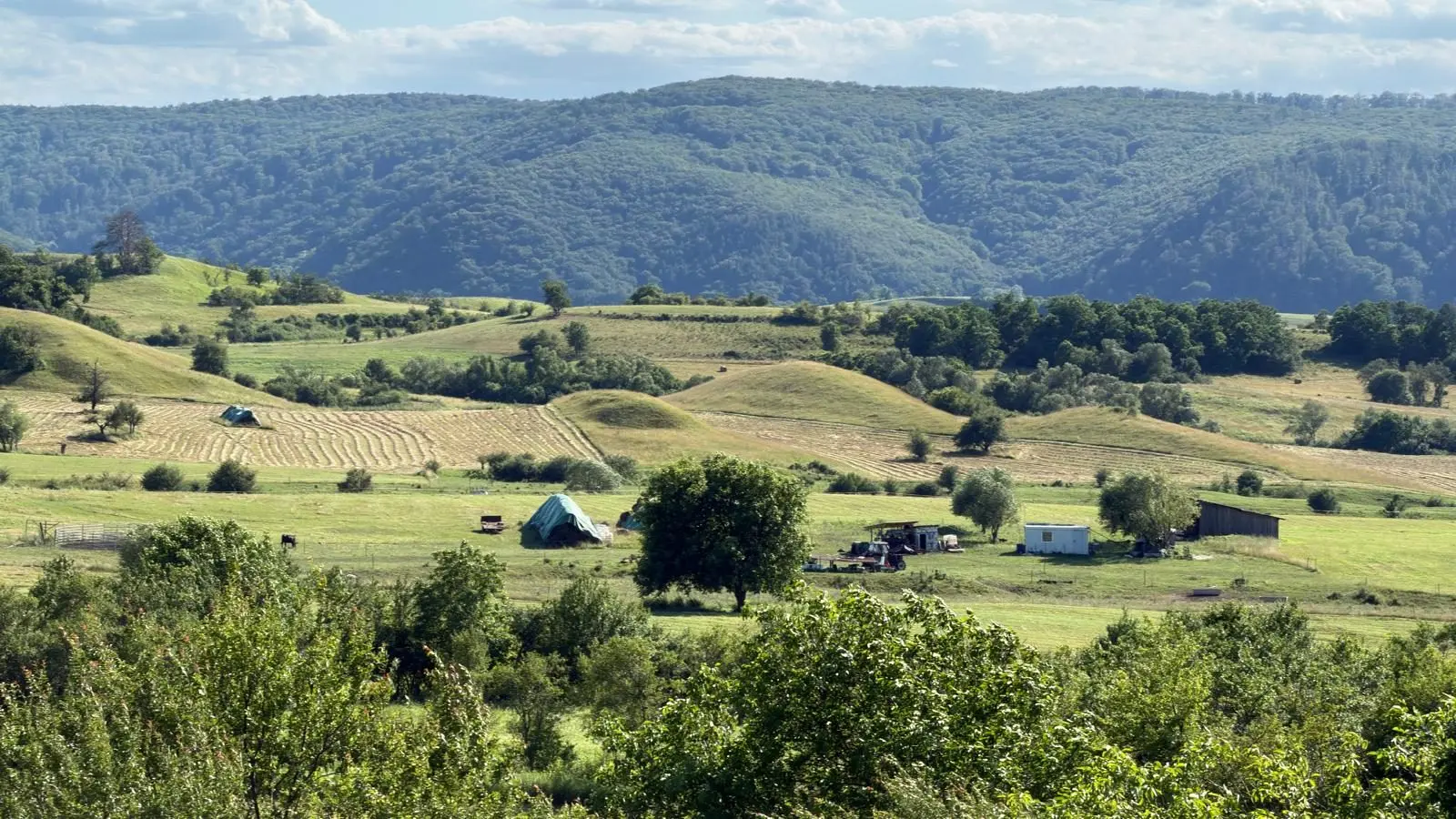
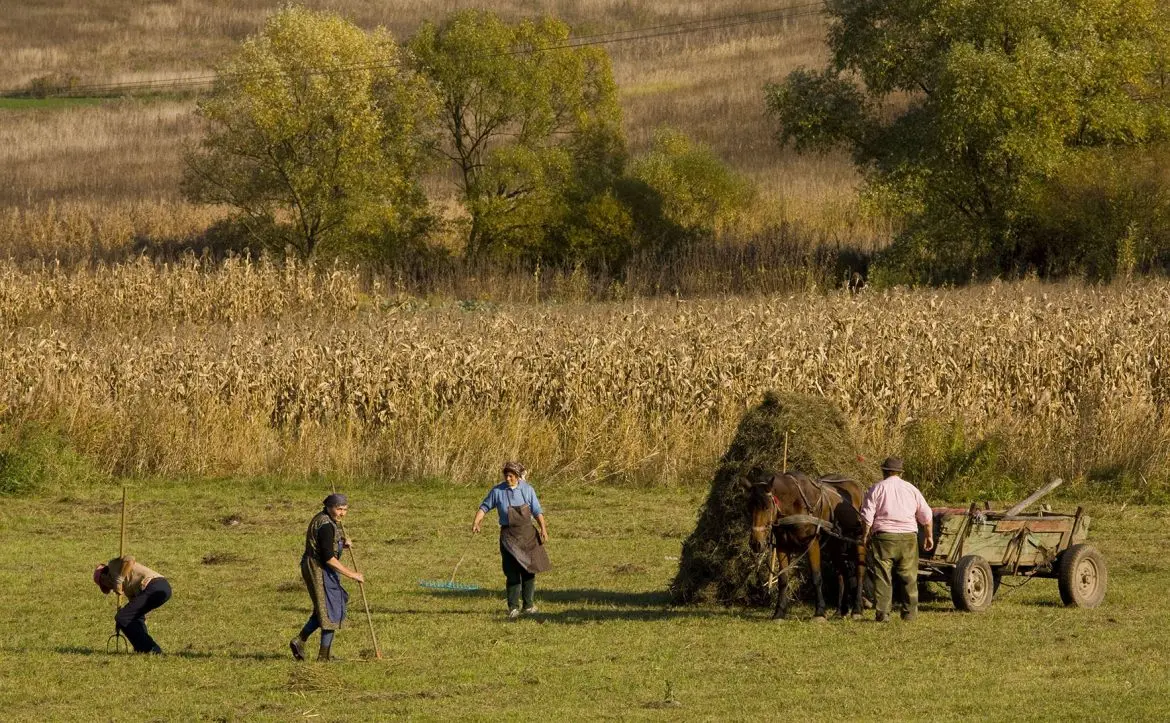
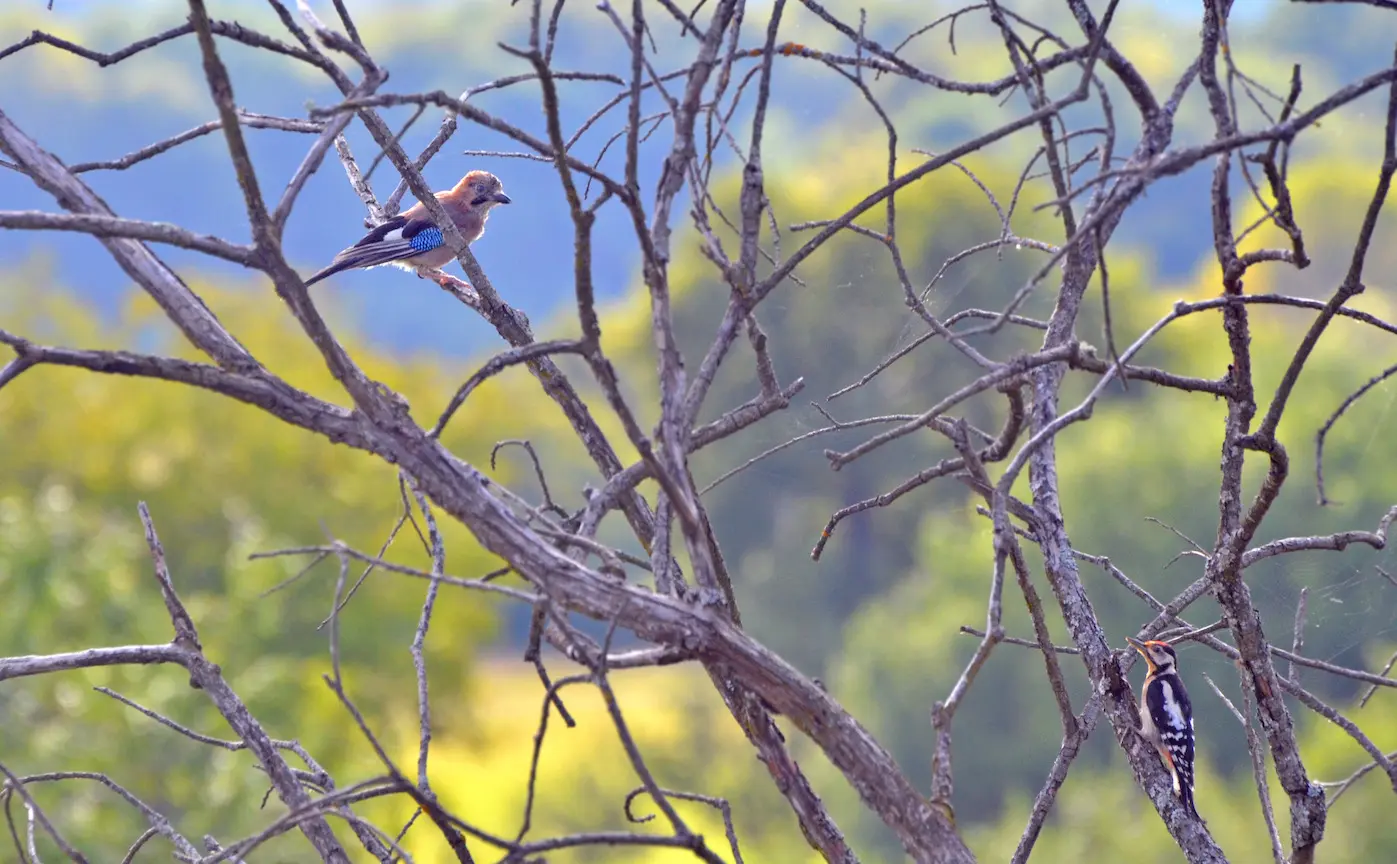
ADEPT is seeking further funding to protect the High Nature Value Farmed Landscapes of Transylvania, working with and supporting the small-scale farming communities that created them over the centuries.
They are under threat because of lack of social incentives and poor agricultural management.
Help us continue our work!