Fundatia ADEPT Transilvania Str. Principala, 166, Saschiz, Mure , 547510, Romania
HOME / PROJECTS
Project Leader

Cristi Gherghiceanu
Executive President
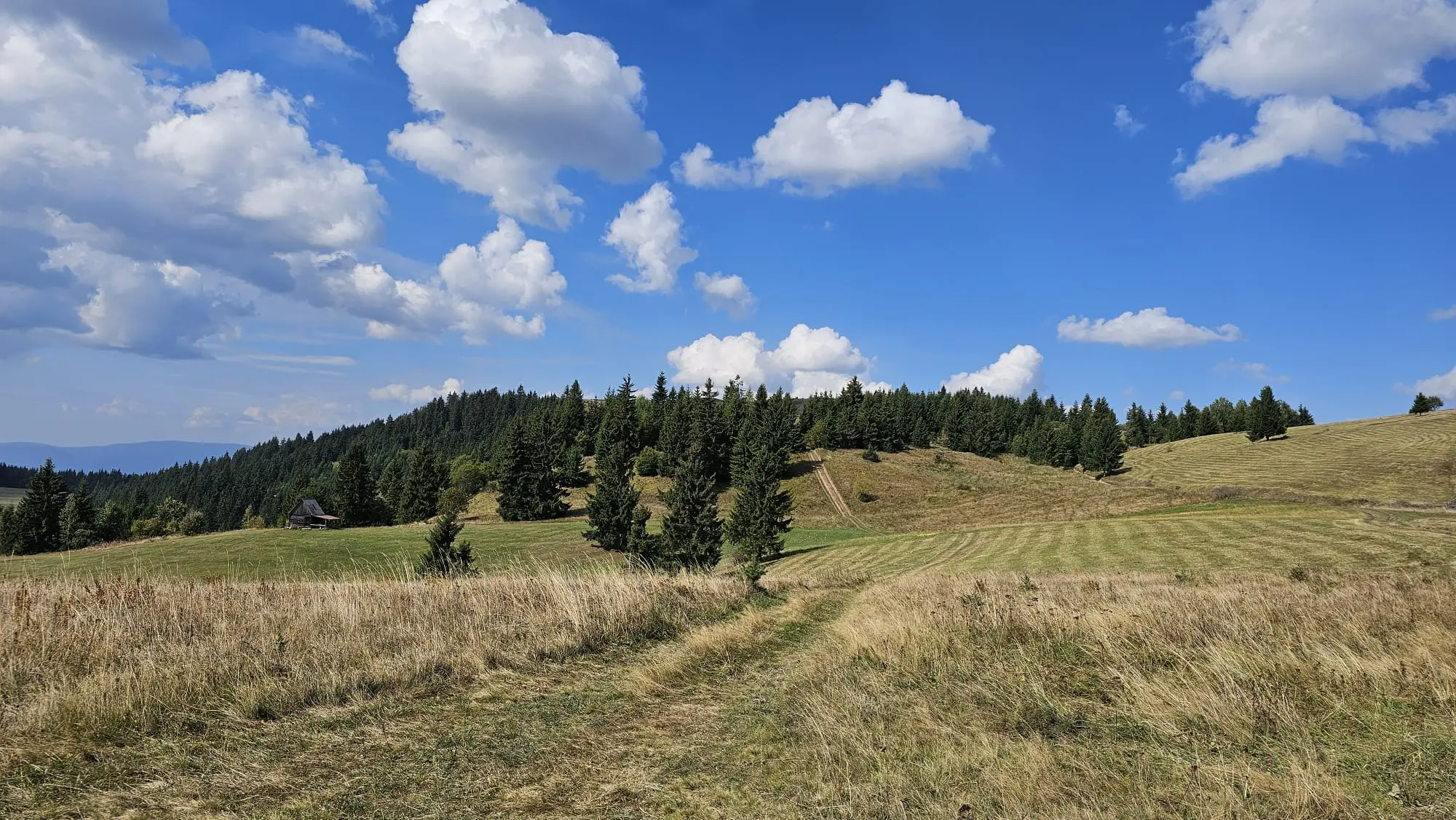
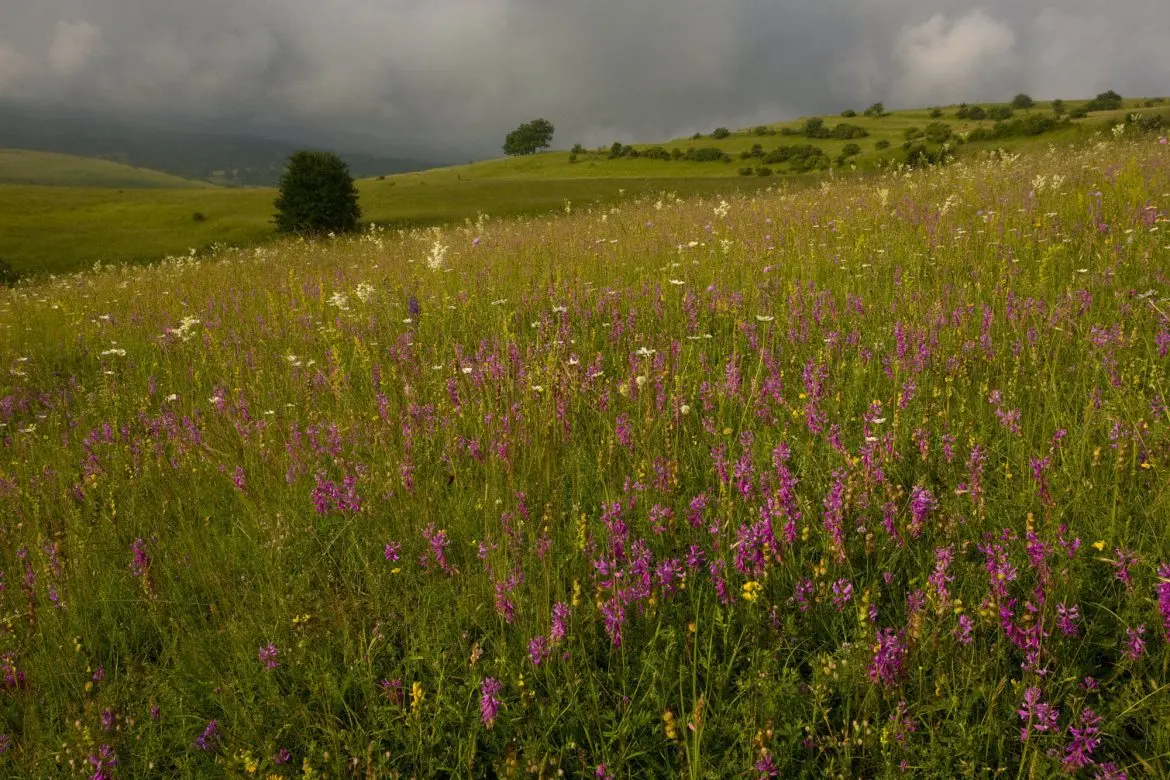
DiverSEED is a 7-year project focused on the restoration of priority grassland habitats shared between Slovakia and Romania. By introducing innovative mapping and restoration techniques, the project aims to create a long-lasting impact well beyond its duration.
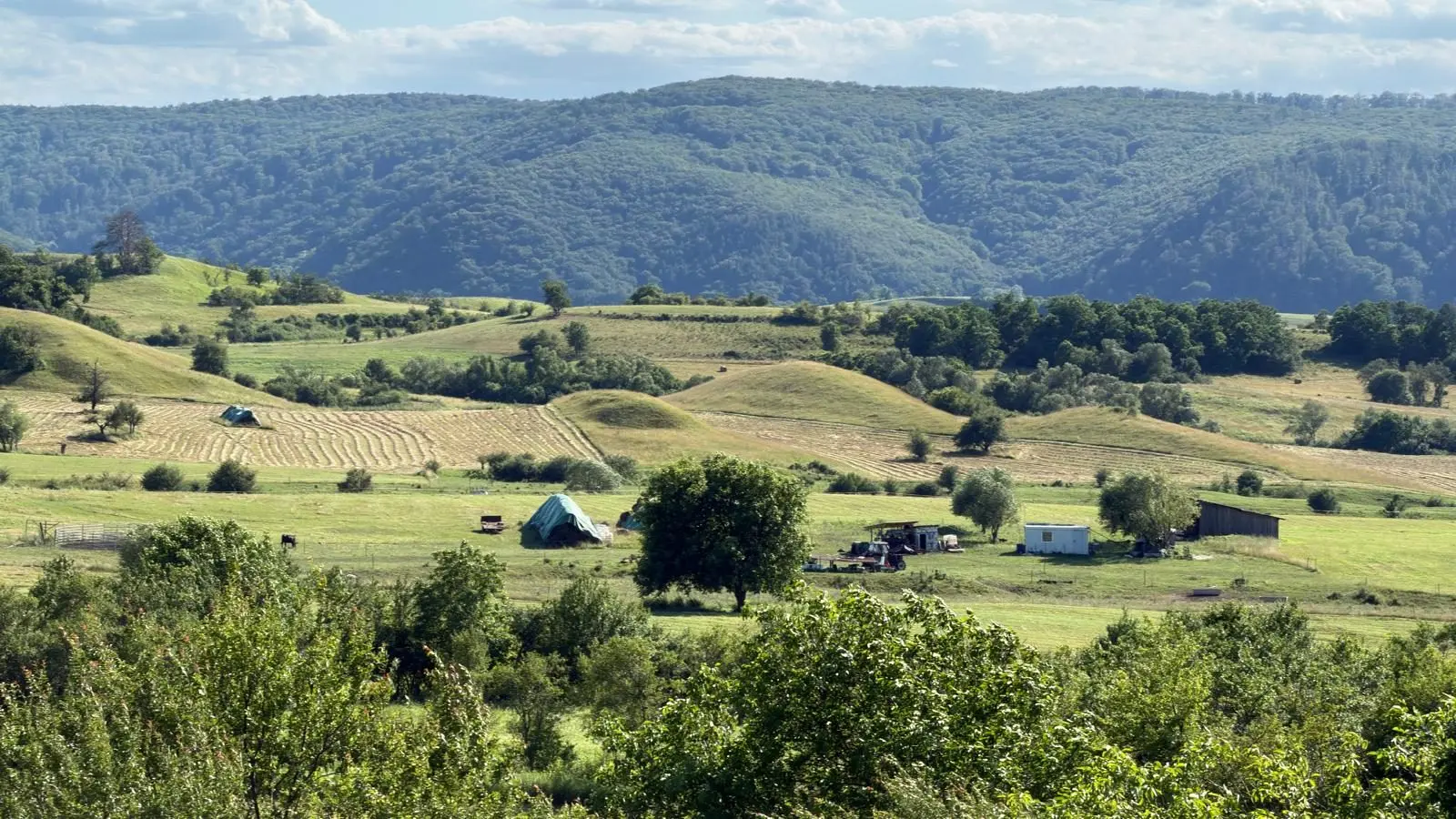
Targeting 10 key habitats – 9 Priority Habitats listed in Annex I of the Habitats Directive and 1 Endangered habitat from the European Habitats Red List – the project will be implemented across 33 Sites of Community Importance (SCIs), including 30 in Slovakia and 3 in Romania. Direct restoration efforts will cover at least 920 hectares of priority grasslands, with an additional 1,200 hectares benefiting indirectly through replication.
In addition to direct restoration, DIVERSEED will significantly advance future grassland recovery by pioneering sustainable seed harvesting from priority habitats and establishing protocols for seed collection and reseeding in protected areas. With no local seed mixtures currently available in Slovakia or Romania, this initiative will fill a critical gap in the growing demand for ecological restoration. The project will be developed in close collaboration with farmers, farmer associations, environmental agencies, and national authorities, all of whom have expressed strong interest.
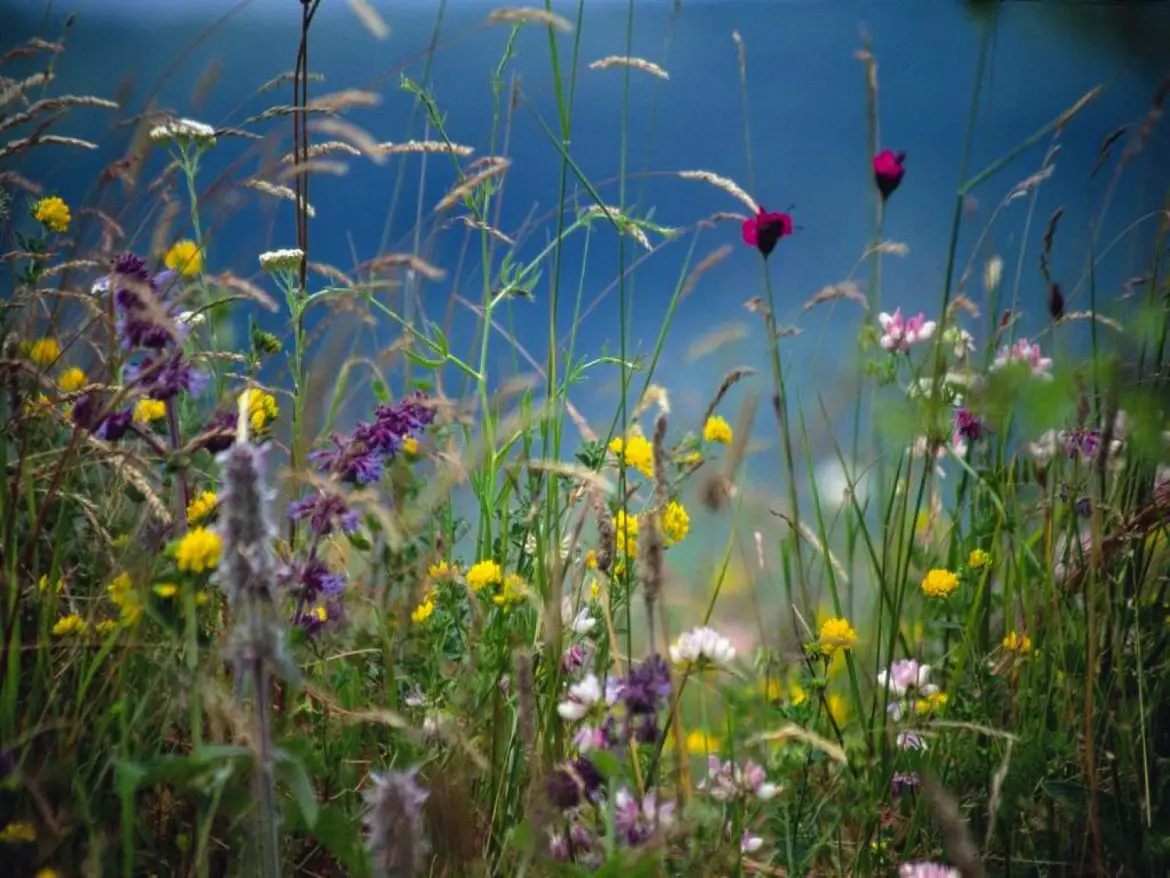
Restoration efforts will incorporate proven methods such as grazing, mowing, and the removal of invasive species. At the same time, the introduction of an innovative seeding approach will help restore species composition, benefiting not only plant diversity but also pollinators, whose populations will be closely monitored to assess project impact.
A key component of the project is addressing the critical yet underestimated decline of grasslands in Romania, largely due to limited mapping capacity. By deploying state-of-the-art mapping techniques, DiverSEED will provide a more accurate assessment of the situation and support improvements to agri-environment schemes, which are currently failing to halt grassland declines.
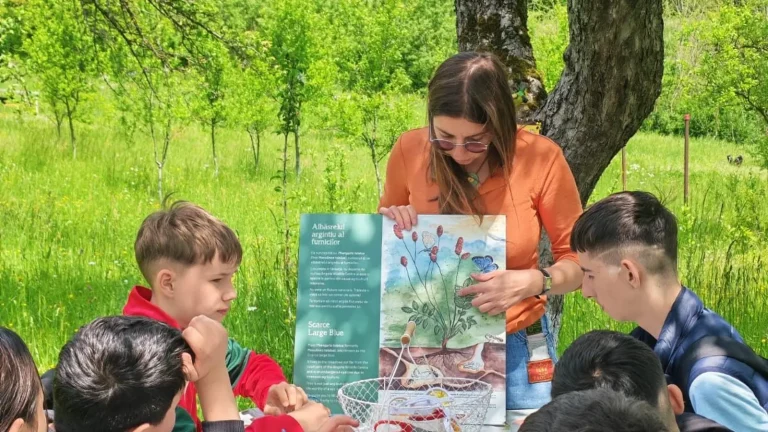
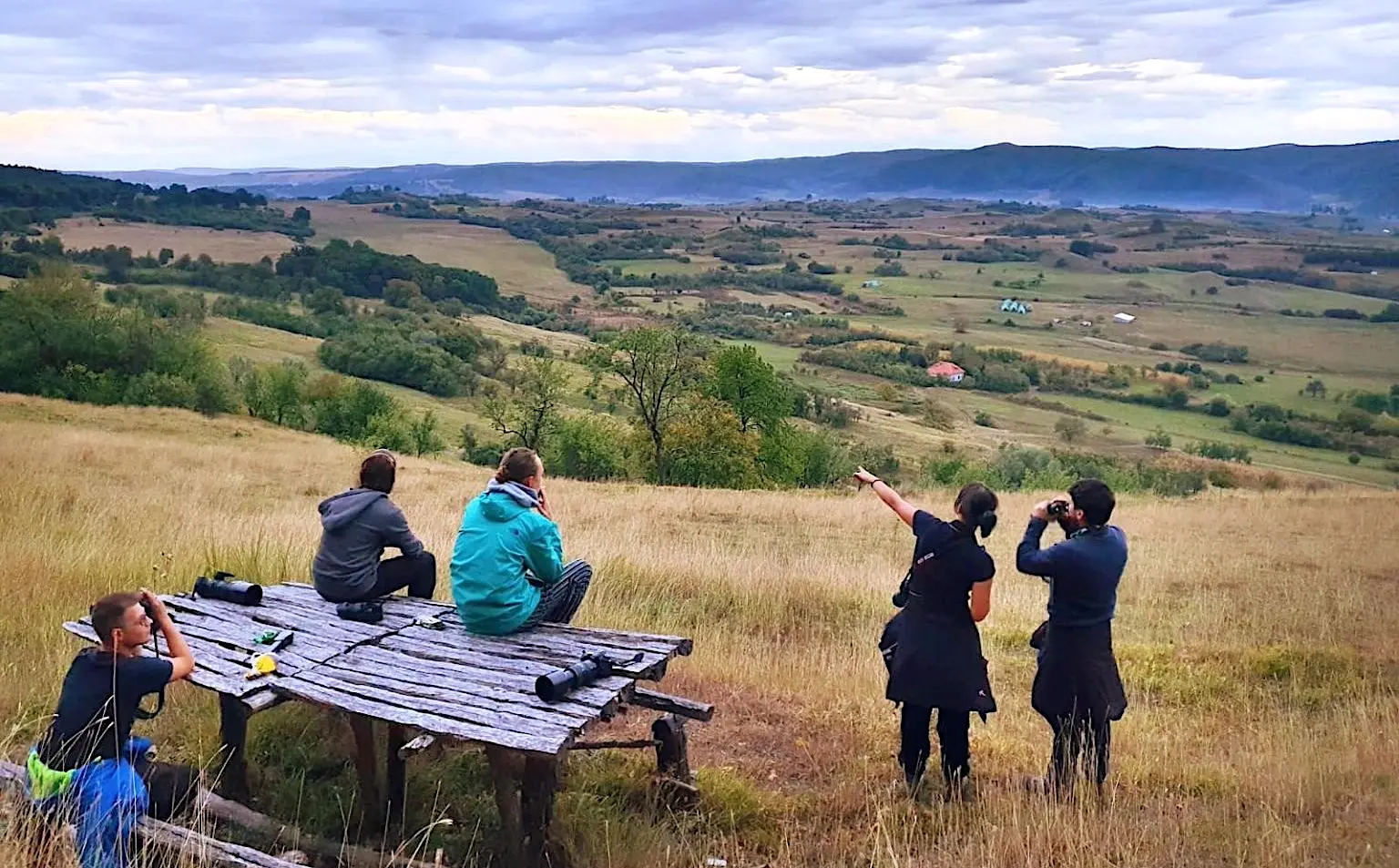
Engagement with communities will be an important part of the project, with volunteer activities, educational programs for schools, and outreach initiatives for the general public. Policy work with authorities and comprehensive farmer training will ensure that project outcomes translate into long-term change.
Finally, the seed mixtures developed through the project will be designed for market uptake, ensuring further replication and sustainability beyond its lifetime.
In Romania the project will be implemented in 3 SCIs:
The project will target 4 habitat types:
Milvus Group is a dedicated nature conservation organization committed to protecting biodiversity and promoting a world where people live in harmony with nature. Since its founding in 1991, the association has worked tirelessly to safeguard natural heritage through applied research, conservation initiatives for endangered species, environmental education, and advocacy for stronger nature protection policies. With a team of experienced biologists and ecologists, Milvus Group upholds expertise, credibility, and perseverance as core values, ensuring that its work is grounded in scientific best practices and long-term commitment to conservation.
The Agri-Cultura-Natura Transylvania Association is dedicated to fostering sustainable development in Transylvania, with a focus on the Csíki Basin and Gyimes Valley. Balancing tradition with innovation, the association supports projects that promote regional growth while preserving cultural and natural heritage. Recognizing that development is inevitable, it strives to guide progress in alignment with core values that respect the region’s identity. With a team of highly trained professionals with diverse expertise, the association ensures that its initiatives are both forward-thinking and deeply rooted in local heritage.
The Institute of Biological Research Cluj is a prestigious research institution dedicated to fundamental and applied biological sciences. Through its two main departments, Taxonomy and Ecology, and Experimental Biology, ICB Cluj employs a multidisciplinary approach to the study of biodiversity, ecosystem processes, and biotechnological innovations. The Department of Taxonomy and Ecology investigates biological diversity, ecological interactions, and the conservation of natural resources, integrating research on terrestrial and aquatic ecosystems within the fields of plant and animal sciences. The Department of Experimental Biology explores the mechanisms of life at molecular, cellular, and physiological levels, with a focus on genetics, biochemistry, and their biotechnological applications. ICB Cluj is a dynamic and continuously evolving research centre at the intersection of ecology, technology, and sustainable development, addressing current challenges in biodiversity and ecosystem resilience.
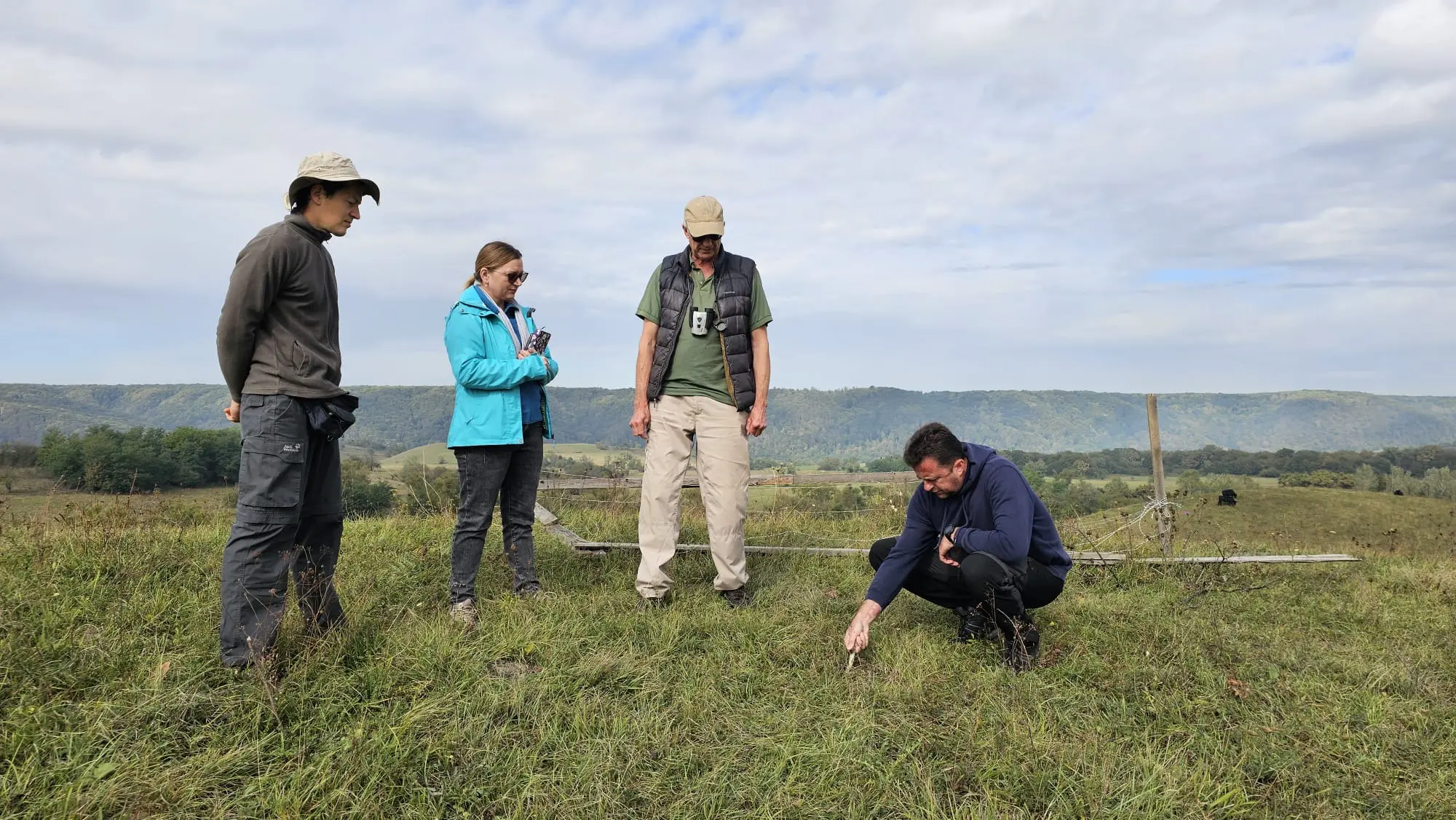
ADEPT is seeking further funding to protect the High Nature Value Farmed Landscapes of Transylvania, working with and supporting the small-scale farming communities that created them over the centuries.
They are under threat because of lack of social incentives and poor agricultural management.
Help us continue our work!